
Using a tracheal tube with a tracheal puncture (Tracheostomy)

A tracheostomy is an opening in the front of the throat. so that patients with breathing problems can breathe more easily
When doctors inform family members that a patient needs to be intubated, feelings of anxiety and confusion are natural for all relatives and caregivers. It's perfectly normal to have fears about the upcoming change. This article is designed as an easy-to-understand and immediately applicable guide to help alleviate concerns and answer all questions about tracheostomy for intubation.
Tracheostomy Tracheostomy is a medical procedure that creates an opening in the front of the neck to allow patients with respiratory problems to receive oxygen and breathe more easily. In this procedure, the doctor carefully makes an incision in the skin of the front of the neck and inserts a special type of breathing tube, called a tracheostomy tube, directly into the throat through the patient's trachea.
This procedure allows air to pass into the patient's trachea and lungs without going through the nasal passages and upper throat as is normal. In addition to improving oxygen intake, a tracheostomy is highly beneficial in helping patients cough up phlegm more easily from the trachea, or allowing caregivers to effectively use suction catheters to clean the airways, preventing blockages and reducing the risk of lung infections.
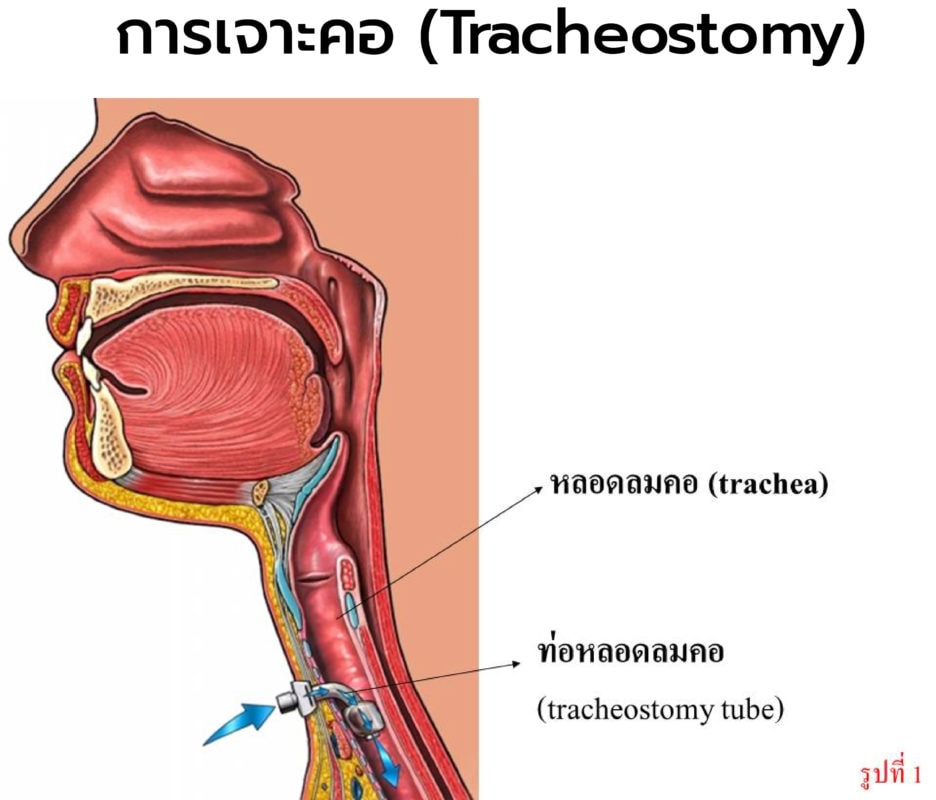
Reason for neck piercing
Many may wonder why oral intubation, a method commonly seen in emergency rooms, isn't used. The answer is that oral intubation is usually used for short-term, acute treatments. However, if a patient requires prolonged mechanical ventilation, a tracheostomy is a safer, less invasive, and significantly reduces the risk of pressure sores on the larynx and vocal cords.
Tracheostomy is mostly a temporary treatment to allow the body to recover, but in some patients, a permanent tracheostomy may be necessary. Examples of patients who may need a tracheostomy include the following:
- A large object or mass is obstructing the upper airway, preventing normal breathing.
- Patients who are unable to breathe adequately on their own or require mechanical ventilation for an extended period of time.
- Patients with cancer of the throat area, such as laryngeal cancer, where the tumor obstructs the airway.
- Patients with dysfunction or paralysis of the muscles involved in swallowing, vocal cords, or diaphragm.
- People who have sustained severe injuries to the face, neck, or chest wall that affect their respiratory system.
- Patients who have undergone major surgery around the larynx, throat, and skull.
- People with severe airway swelling and obstruction, which may be caused by inhaling toxic substances or smoke.
- Patients with large amounts of sputum in the trachea and bronchi that require frequent suctioning, especially in unconscious patients or those unable to cough up sputum themselves.
- Patients with lung infections and a large amount of accumulated sputum, whose bodies are too weak to cough up the sputum on their own.
- People who suffer spinal cord injuries that affect their respiratory system.
- Patients who are in a coma, unconscious, or have paralysis that prevents them from controlling their upper airway.
- People with other respiratory problems, such as severe sleep apnea that does not respond to other treatments.

How many types of neck pipes are there and what are their characteristics?
When caring for a patient, it's crucial to familiarize yourself with the medical equipment they have. If you're wondering what types of intubation devices are available or what a tracheostomy tube looks like, the following information will help you get a clearer picture.
A tracheostomy tube is a curved tube designed to conform to the anatomy of the trachea. Generally, tracheostomy tubes can be divided into two main types based on the material used in their manufacture:
- Plastic models, which are lightweight and flexible, are commonly used today.
- Metal tracheostomies are highly durable and easy to clean, but they are often used in patients requiring a permanent tracheostomy.
The main components of a drill pipe typically consist of a system of two interlocking tubes, namely:
- The outer tube is the part that is inserted into the patient's throat to prevent the tracheostomy hole from becoming blocked. On the outside, there is a clasp for attaching a sling to secure the tube in place.
- The inner tube is a tube that is fitted inside the outer tube. This inner tube can be removed for cleaning.
The double-layered tube design is a thoughtful safety measure, as tracheostomy patients continuously produce sputum. Caregivers must regularly remove the inner tube to clean out any remaining sputum, preventing blockages caused by dried sputum clumps, which are extremely dangerous, especially during prolonged tracheostomy periods.

Risks and Complications
Complications after cervical puncture may occur immediately. and after throat piercing There are also complications from a tracheal tube.
- There is damage to the nerve from the puncture of the neck.
- have a respiratory infection
- Air leaks in the pleural area (Pneumothorax) or under the skin around the throat tube (Subcutaneous Emphysema).
- A lump of tissue that is abnormal in the respiratory tract
- The airway above the tracheal tube collapses.
- There is a lesion in the trachea due to friction with the tube.
- Dry sputum and mucus that obstructs the tracheal tube.
- The hole closes after the neck tube is removed.
Caring for the patient after cervical puncture (Tracheostomy Tube Care)
The key to a safe and quality-of-life recovery for patients is proper care at home. Caregivers and patients need to learn how to care for themselves to reduce the risk of complications. Important principles to follow include:
Communication and speaking
Many patients worry that they will never be able to speak again. Initial speech will be abnormal because air is not passing through the vocal cords. However, this problem can be solved by using a special device: a valve attached to the end of the tracheostomy tube. When the patient exhales, the valve closes, forcing air to pass up to the vocal cords, allowing the patient to communicate normally.
Eating
In the initial period after a tracheostomy, patients may experience irritation and difficulty swallowing. However, as the wound heals and time passes, patients will adapt and regain normal swallowing ability. Caregivers should begin by having the patient practice swallowing with small sips of water or easily swallowed liquid foods. If there are no signs of choking, gradually introduce foods with a coarser texture.
Performing various activities in daily life.
Patients can live and perform normal activities, but precautions should be taken. For the first 6 weeks after tracheostomy, strenuous activities and heavy lifting should be avoided. Most importantly, the tracheostomy wound must be kept clean and dry.
Stay warm and avoid dust and smoke.
Try to keep your body warm at all times. Avoid being in extremely cold or dry places, as the air you breathe will not be heated and humidified normally through your nose. Also, be very careful to prevent dust, insects, or foreign objects from entering the tracheostomy tube. When it is necessary to go outside, always cover the end of the tracheostomy tube with a clean, thin handkerchief or a dust filter.
Cleaning the tracheostomy site and suction catheter.
Cleanliness is the best defense against infection. Caregivers should regularly clean the skin around the tracheostomy wound, suction catheter, and inner tubing to reduce bacterial buildup and the risk of serious infection. Suction catheters should be cleaned immediately after each use by suctioning hydrogen peroxide solution through the tube until all sputum is removed. Then, sterile saline solution should be used to rinse away all remaining solution. The outer surface of the catheter should be dried, and it should be stored wrapped in a clean towel.
Cleaning the tracheostomy tube.
This is a crucial procedure to perform daily. First, the caregiver must thoroughly wash their hands with soap before handling any equipment. Then, unlock and remove the inner tracheostomy tube. Immerse it in hydrogen peroxide solution. Using a small, specially designed brush, gently scrub the inside of the tube until all mucus is removed. Next, rinse the tube with sterile saline solution until the odor and foam of the solution are gone. Wipe the tube dry with a clean gauze pad, and then reassemble the inner tube back into the outer tube in the patient's throat, locking it securely in place.
If you find any of these abnormal symptoms, you should see a doctor immediately.
Even with the most careful care, emergencies can happen at any time. Caregivers need to closely monitor patients. If any of the following danger signs or abnormal symptoms are observed, the patient should be immediately taken to the emergency room. Do not wait and see.
- Patients may experience shortness of breath, difficulty breathing, wheezing, or bluish discoloration of the lips and fingertips, indicating oxygen deprivation.
- The area around the tracheostomy wound may become swollen, red, warm, tender to the touch, or have yellowish-green pus oozing out, which are signs of infection.
- The outer tracheostomy tube has become dislodged from the patient's throat. This is the most serious emergency because the tracheostomy hole may narrow and close.
- The inner tracheostomy tube is lost, or after being removed for cleaning, it cannot be properly reinserted into the outer tube.
- Blood is coming out of the tracheostomy hole, or the patient coughs and suctions out a large amount of fresh blood.
- The patient experiences severe, persistent coughing, or an abnormally increased amount of sputum. The sputum changes color to thick green or has a strong, foul odor.
Caring for a patient with a tracheostomy may seem complex at first, but as you learn and consistently follow your doctor's instructions, your anxiety will gradually decrease, and you will be able to care for your loved one with the utmost confidence and safety.