I experience nasal pain and facial redness/bruising after using CPAP. How can I fix this?
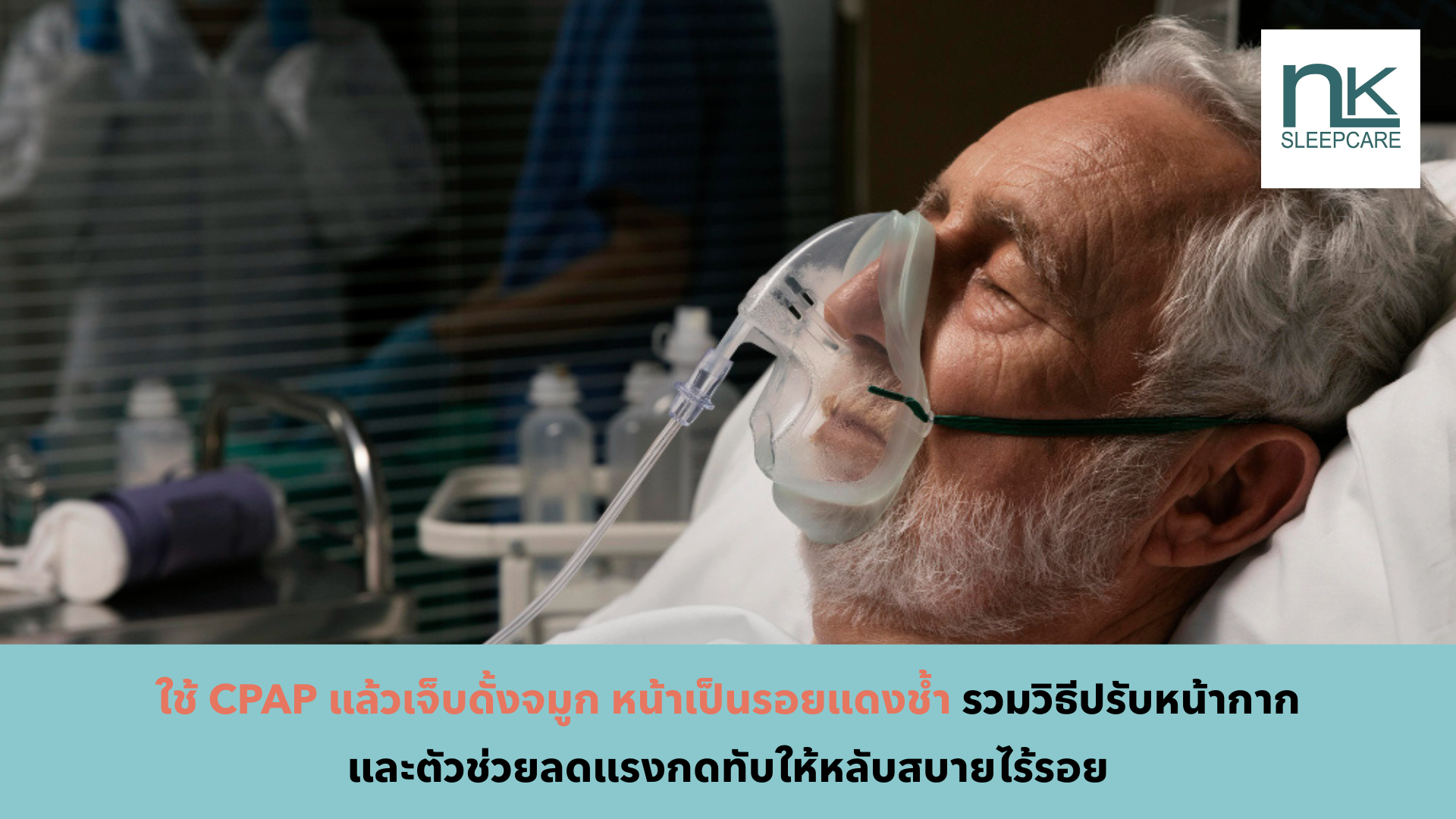
Waking up in the morning and looking in the mirror to see a dark red bruise on the bridge of your nose or cheek that's so noticeable, and with aching nasal bones that you don't want to wear any more clothes the next night, right?
This is one of the most common obstacles for "new users." Many mistakenly believe that using the machine involves enduring pain indefinitely, leading some to give up treatment. In reality, a properly used CPAP mask should not leave bruises or cause pain.
In this article. NK Sleepcare This video will take you on a deep dive into four causes of pressure marks, along with self-help solutions and supplementary tools to transform a sore night into a comfortable, radiant night, leaving you with clear, red-free skin in the morning.
4 Main Reasons: Why does using CPAP cause nasal pain and facial redness/bruising?
- The trap of overtightening the mask straps: The number one reason is that... The CPAP strap is too tight. Users often try to tighten the strap as much as possible to fix air leaks, resulting in pressure on the skin, temporarily reducing blood flow and causing redness and bruising. However, most air leaks don't require tightening the strap, but rather correct positioning.
- Choosing the wrong mask size doesn't fit your face: A mask frame and silicone that are too small will directly compress the nasal bone, while a mask that is too large will slide and rub against the skin overnight, causing abrasions.
- Grease and dirt make the mask slippery, requiring it to be tightened: If the mask is neglected to be cleaned, oily residue from the face will accumulate, making the silicone material slippery and easily detached. This will force users to tighten the straps to prevent air leakage.
- Common misconceptions about posture while standing compared to while lying down: The skin and jaw muscles of a person sag due to gravity when they lie down. If you adjust the mask straps to fit properly while sitting in front of a mirror, when you actually lie down, the mask will immediately press harder on the bridge of your nose.
5 ways to relieve and prevent nasal pain and redness from CPAP yourself.
- Loosen the straps and adjust to the “lying down” position (The Lying Down Adjustment): We recommend wearing it.CPAP MasksStart with a loose fit, then turn on the device and lie flat on your face on a pillow. Gently adjust and tighten the straps just enough to ensure the silicone is snug against your face, without pulling the straps too tightly.
- Apply lanolin cream or a water-based gel to reduce friction:
- Important precautions: Do not use petroleum jelly. Avoid applying oil-based lubricants (such as Vaseline) to the areas in contact with the mask, as the oil content will break down the medical-grade silicone rubber, causing it to thin, stretch, and deteriorate rapidly. Furthermore, inhaling these substances can be harmful to the lungs. Instead, we recommend using pure lanolin cream (breastfeeding-grade) or a water-based lubricant, applying a thin layer.
- Use a nasal gel pad or a cloth cover for the mask straps: use Nose pads It's like adding a soft cushion between the silicone implant and the delicate skin around the bridge of the nose and cheeks, helping to distribute the pressure evenly.
- Clean your mask every morning to reduce oily residue: Regularly clean the mask with baby bottle cleaning solution to maintain its viscosity and the vacuum seal of the silicone, ensuring it adheres well to the face without needing to be tightened.
- Give your skin two weeks to adjust: For those who choose to use nasal masks, initial irritation around the nostrils is normal. The skin around the nostrils will gradually adapt and thicken within 14 days.
Chronic nasal pain? Recommendations...CPAP Masks A new option: a frameless design that doesn't press against the bridge of the nose.
If all adjustments have been made and you still experience soreness, there are now new mask technologies designed specifically for people with prominent noses or very sensitive skin.
- Nasal Cradle Mask: For example, the popular ResMed AirFit N30i model is designed with the silicone implant to support only the area directly under the base of the nose, leaving your nasal bridge free and eliminating worries about accumulated redness and bruising on the bridge of your nose.
- Lightweight nasal pillow mask: For example, the ResMed AirFit P30i offers a lightweight and comfortable feel, high mobility, and no frame to obstruct your vision, making it ideal for those who need to wear reading glasses before bed or prefer to sleep on their side.
Customize your sleep comfort with professional help from NK Sleepcare.
We offer after-sales service from our Sleep Specialists, including downloadable reports on your device usage to check the consistency between air leakage and pressure. If we find that the mask is compressing too heavily due to excessive pressure, our team of experts will help analyze and adjust the air pressure to help you breathe as comfortably as possible again.
Don't let nasal pain and redness hinder your pursuit of treatment. For consultation or inquiries about replacement mask designs, please add us on Line. @nksleepcare Let our team of experts help you restore a restful night's sleep.


