
Sleep apnea: The dangers of snoring.
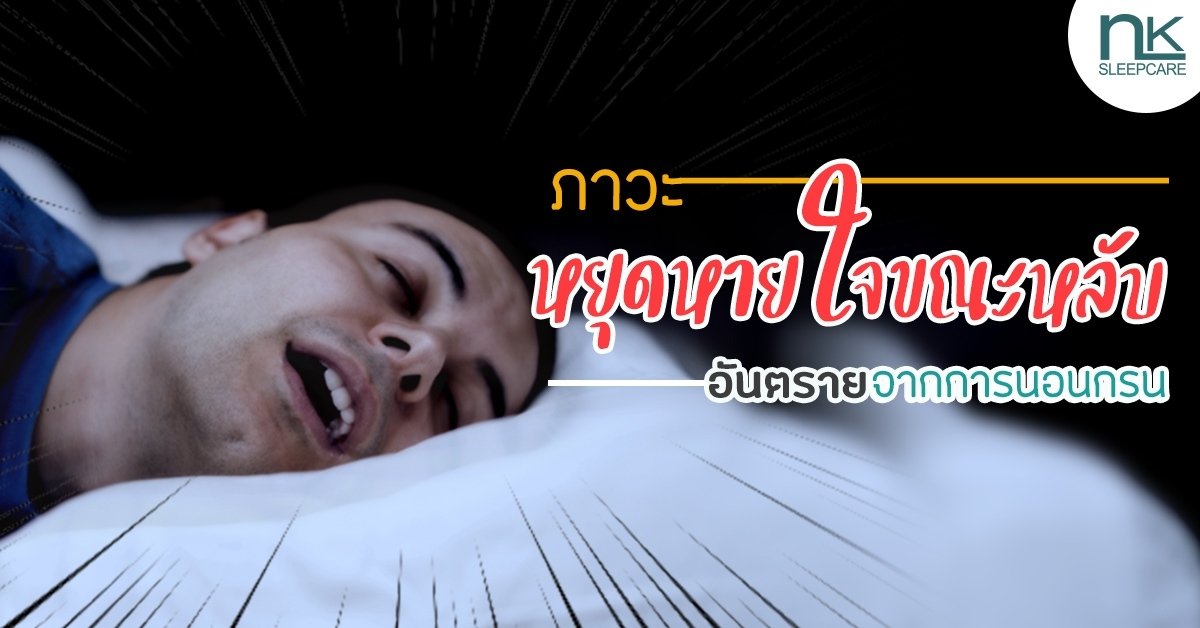
Sleep allows our bodies to rest, and effective sleep means sleeping soundly throughout the night. This allows the body to repair worn-out parts and restore the efficiency of internal systems. However, if while sleeping... sleep apnea Because snoring occurs, sleep may no longer be the body's optimal rest.
Snoring... increases the risk of sleep apnea.
When you sleep, all parts of your body and muscles relax to reduce muscle tension. The muscles in the upper respiratory tract are no exception. When these muscles relax, they loosen and obstruct the airway, the passageway for air during inhalation and exhalation, creating a sound known as snoring.
Mild snoring is usually harmless, unless it's a problem because the noise disturbs others or causes a lack of self-confidence, especially when participating in activities that require sleeping or resting with others. However, those with severe snoring, including sleep apnea, may need to consult a doctor or use appropriate medication.CPAP machine Helps treat snoring.
The dangers of sleep apnea.
Snoring is more common in older adults with weakened muscles, obese individuals, and pregnant women.Read more What causes snoring? Although snoring is common, if it is severe enough to cause sleep apnea, it can be seriously dangerous and lead to complications that affect health, such as:
1. It causes fatigue for no known reason.
Snoring that causes sleep apnea can keep you awake throughout the night, resulting in restless sleep. This prevents the body from releasing growth hormone (Human Growth Hormone), which is responsible for repairing and restoring the body's metabolism. Consequently, this leads to accumulated fatigue and constant drowsiness, especially during the day.

2. Obesity.
When the body stops breathing, the amount of oxygen delivered to the brain decreases, resulting in reduced efficiency of the brain's control centers, particularly those responsible for fat metabolism. If the body metabolizes fat less, more fat will accumulate. Furthermore, the brain's control centers may malfunction, leading to hypothyroidism, a deficiency in thyroid hormones. This further reduces energy metabolism, causing swelling, weight gain, and ultimately obesity.
3. Erectile dysfunction
Health problems caused by snoring, especially in severe cases or sleep apnea, can lead to decreased function in the brain areas responsible for controlling the production of the male hormone testosterone. Lower testosterone production results in decreased sexual performance and libido.
4. High blood pressure.
Sleep apnea causes low blood oxygen concentration. While the body's organs' oxygen demand doesn't decrease proportionally to the lower oxygen levels, the heart has to pump blood harder to meet the body's internal organ functions. This increased heart rate leads to higher blood pressure.
5. Heart disease due to high blood pressure.
When the heart has to work harder to pump blood to the brain and other organs, the continuously strained heart muscle deteriorates, making it unable to pump blood as efficiently as before. Patients will experience shortness of breath and are at risk of sudden cardiac arrest or heart failure.
6. Hemorrhagic stroke
As mentioned above, sleep apnea causes high blood pressure. When this pressure occurs in fragile blood vessels, it can cause aneurysms or ruptures, which is extremely dangerous. This is because it drastically reduces blood flow to the brain, leading to intracranial hemorrhage and potentially causing rapid death. In cases of less severe death, it can result in stroke or paralysis.
7. Dementia
Dementia is a result of prolonged sleep apnea, which causes temporary oxygen deprivation to the body. Even short periods of oxygen deprivation in the brain, if repeated, can lead to degeneration of brain cells and nerve fibers, resulting in decreased brain function, slow learning, poor concentration, and reduced memory.
Sleep apnea increases the risk of cardiovascular diseases such as high blood pressure, heart disease, and stroke, which can be life-threatening or lead to paralysis. (Read more:) 5 serious illnesses caused by sleep apnea.)

summarize
Sleep apnea due to snoring is a condition that can be life-threatening if left untreated. Moderate to severe snoring, in addition to causing sleep apnea, can lead to complications and chronic conditions requiring lifelong medication. Therefore, if you experience symptoms such as waking up suddenly with shortness of breath, feeling fatigued upon waking for unknown reasons, or constant drowsiness, you should seek medical attention immediately for diagnosis and appropriate treatment.


