
What is sleep apnea? Learn about the signs and testing procedures.
Last updated:
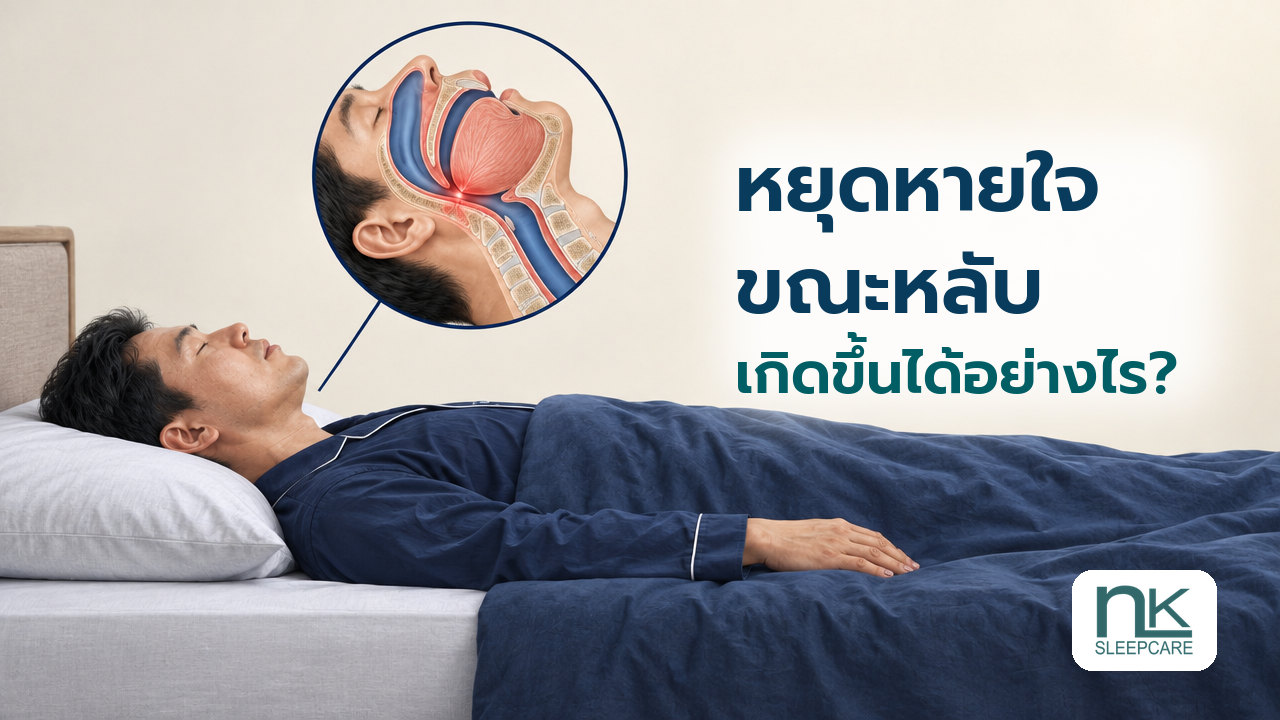
Sleep apnea is a condition where breathing stops or becomes irregular repeatedly during sleep. Some people snore loudly, while others are noticed by loved ones stopping breathing and then gasping for breath. However, snoring or these symptoms occurring just one night is not necessarily indicative of sleep apnea.[1]
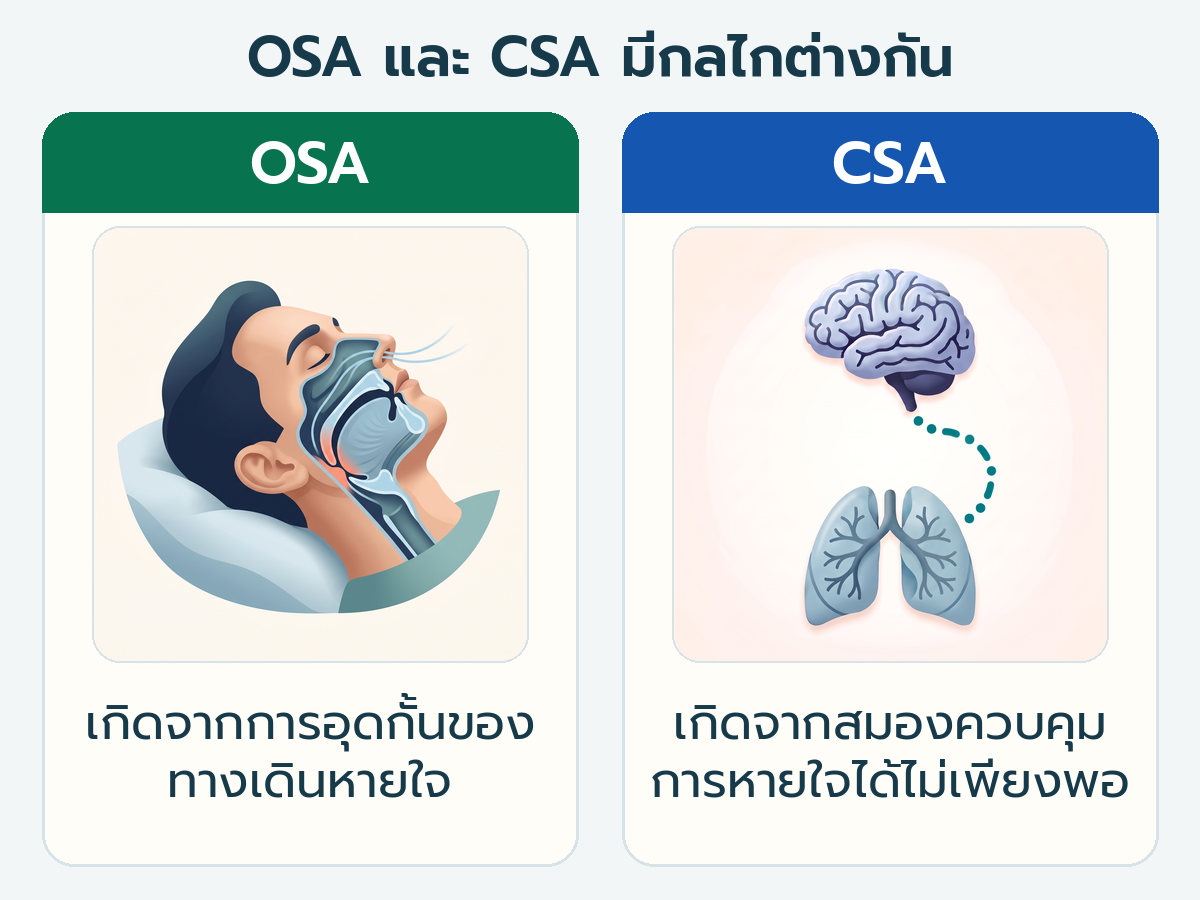
Learn about the two types of sleep apnea.
The most common type is: Obstructive sleep apnea (OSA) This occurs when we sleep and the muscles that keep the upper throat open relax. The tongue, soft palate, and surrounding tissues may sag, causing the upper airway to narrow or become temporarily closed. This reduces or stops airflow. However, this explanation should not be used to self-diagnose OSA.[7]
Another type is... Central sleep apnea (CSA) This occurs when the brain doesn't send enough signals necessary for breathing, so breathing may stop intermittently during sleep. CSA is generally less common than OSA.[1]
The information above regarding the two types of sleep apnea is not a valid self-diagnosis, and this article does not recommend a treatment method or device settings. You should have a doctor assess the type and severity of your sleep apnea first.[3]
How does OSA (Osteoarthritis of Associate) affect daily life and health?
Obstructive sleep apnea (OSA) can cause excessive daytime sleepiness, morning headaches, or impaired concentration and decision-making, potentially impacting work and daily life. Some people experience drowsiness or fall asleep while driving, increasing the risk of accidents. If you have ever fallen asleep or nearly fell asleep while driving, you should tell your doctor for an evaluation.[1,7]
If OSA is left untreated, it can increase the risk of high blood pressure, cardiovascular disease, including heart attack and stroke. However, this doesn't mean everyone with OSA will develop these conditions, as individual risks vary. Therefore, it's important to have a doctor assess your condition and develop a treatment plan based on your test results and overall health.[6,7]
What symptoms warrant an appointment with a doctor?
If you snore and someone close to you notices you stopping breathing, gasping for breath, or choking during sleep, or if you experience excessive daytime sleepiness, you should tell your doctor about these symptoms. These symptoms can help determine if further investigation is needed, but they cannot yet confirm the specific type of sleep apnea.[2]
When evaluating sleep apnea, doctors will ask about symptoms, overall health, medications currently being used, and individual risk factors, not just a single symptom.[2,3]
How do doctors choose the tests?
Once your symptoms and health history are gathered, your doctor will select the appropriate tests for you. However, symptoms and screening questionnaires alone cannot confirm obstructive sleep apnea (OSA).[3,4]
For adults who are assessed by a doctor as potentially having moderate to severe OSA and have no health problems that would make a home study unsuitable, the doctor may choose a home sleep apnea test (HSAT). However, some people may need a full-night sleep study in a laboratory (polysomnography: PSG) instead.[4]
If an adult suspected of having OSA receives a negative result from a single HSAT test, or if the result is inconclusive or data cannot be recorded due to technical issues, the American Academy of Sleep Medicine (AASM) guidelines recommend further PSG testing, as a single negative HSAT result is insufficient to confirm the absence of OSA.[4]
Read an overview of the inspection procedure here. What is a sleep study?
Why are symptoms or questionnaires still unable to diagnose the disease?
Snoring, fatigue, and screening questionnaires can help determine who should undergo further testing, but they cannot confirm the disease. Doctors need to review the test results in conjunction with your symptoms and medical history.[3,4]
After the results are known, how should you care for the patient?
In adults, the use of positive airway pressure (PAP) machines to treat obstructive sleep apnea (OSA) should begin only after a sleep study confirms the diagnosis, and follow-up should be performed after the start of treatment and during treatment.[5]
There are several types of PAP treatment, such as: Continuous positive airway pressure (CPAP) machine andBilevel positive airway pressure (BPAP or BiPAP) The latter type applies different pressure during inhalation and exhalation. You should consult your doctor or healthcare team after an evaluation to determine which type of machine is right for you.[8]
In addition, doctors may recommend that some adults with OSA manage their weight, sleep on their side, or avoid alcohol before bed. It is important to follow your doctor's plan and not stop or change your treatment on your own.[6,5]
Read more about snoring and OSA here. Guidelines for managing snoring and sleep apnea. And you can read information about CPAP for adults with OSA after assessment here. What is CPAP?
FAQ
Does snoring alone mean sleep apnea?
Not always. Snoring can have many causes, but if snoring is accompanied by pauses in breathing, gasping for breath, or excessive daytime sleepiness, you should tell your doctor about these symptoms so they can assess whether further investigation is needed, as these symptoms alone cannot confirm any underlying disease.[2]
Can the screening questionnaire indicate obstructive sleep apnea?
It's not yet certain; the questionnaire only helps collect symptoms and assess risk in adults who may have OSA. Confirmation of the condition requires a physician's evaluation and selection of appropriate tests.[4]
What should you do if you are concerned about low oxygen levels while sleeping?
You should tell your doctor about any symptoms you've noticed, such as loud snoring and people seeing you stop breathing or gasp for breath, or excessive daytime sleepiness. This information helps your doctor assess the risk and choose what further tests are needed.[1,2,3,6]
summarize
Sleep apnea comes in many forms. Snoring or drowsiness can indicate when you should see a doctor, but it doesn't specify the type or treatment. Testing helps doctors determine the type and severity of the condition in order to choose the most appropriate treatment plan for you.[1,3]
This information is general and cannot replace a personalized diagnosis or advice. If you have any concerns or encounter problems with your current treatment, consult your doctor or healthcare team before changing your treatment.
References
- National Heart, Lung, and Blood Institute. What is sleep apnea?
- American Academy of Sleep Medicine. Is it more than a snore? Recognizing sleep apnea warning signs.
- National Heart, Lung, and Blood Institute. Sleep Apnea Diagnosis.
- American Academy of Sleep Medicine. Clinical Practice Guideline for Diagnostic Testing for Adult OSA (2017).
- American Academy of Sleep Medicine. PAP therapy clinical-guideline summary (2019).
- National Health Service (NHS). Sleep apnoea.
- MedlinePlus. Obstructive sleep apnea – adults.
- National Heart, Lung, and Blood Institute. Sleep apnea treatment.