
Anti-snoring mouthguard (adjustable, semi-pre-made oral appliance)
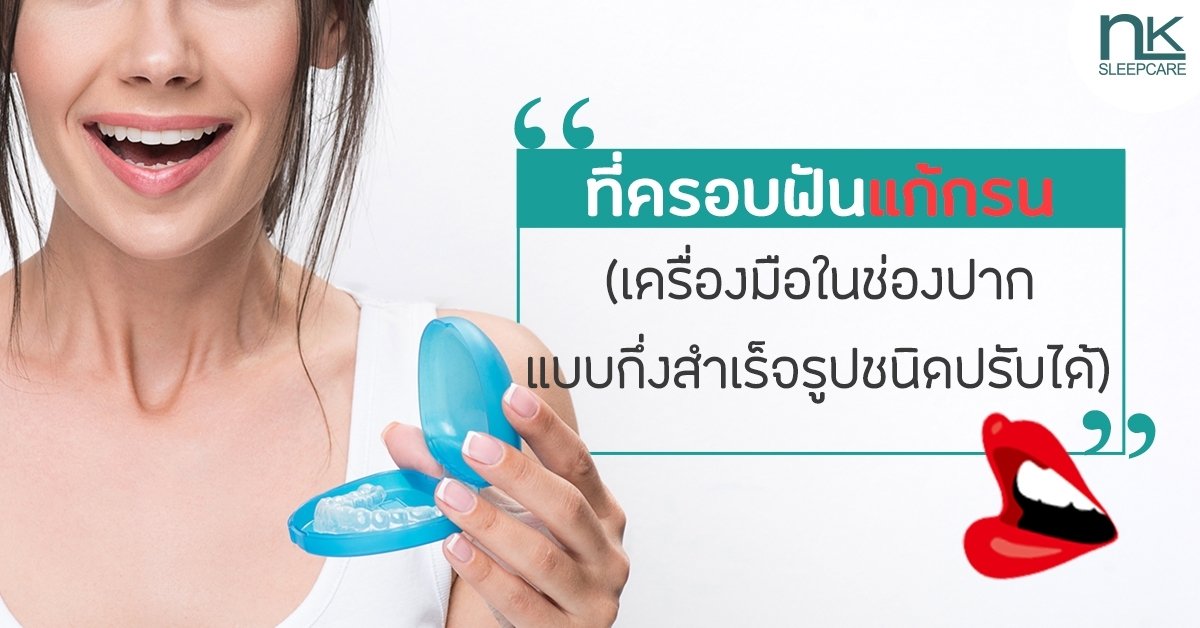
Anti-snoring mouthguards or oral appliances. It is considered an option.Treating snoringOne effective method for obstructive sleep apnea (OSA) is a simple device that the patient wears in their mouth while sleeping. The principle is... The tongue or jaw is held forward to prevent it from sagging and obstructing the airway during sleep. This will widen the airways.
This method can help people with such problems sleep better, by... Treatment outcomes are better in patients with mild symptoms or those without other physical abnormalities or problems in the respiratory tract. Advantages over CPAP machines include ease of use and portability while traveling. Furthermore, these devices can be used in conjunction with upper airway surgery to enhance the effectiveness of combined treatment.
Although oral appliances are designed in a variety of ways according to their purpose and mechanism of action, the most popular and effective oral appliances today are: Mandibular advancement devices (MADs)
This device moves the lower jaw and tongue forward to increase the airway behind the tongue, reducing pharyngeal muscle relaxation. This can lessen the severity of obstructive sleep apnea by increasing the space in the upper airway. There are many types of these devices, varying significantly in cost and manufacturing processes. Currently, this treatment is most often performed by a dentist.
Therefore, although these current tools are effective in treatment and have many advantages, they have drawbacks that may make them unsuitable for Thai people. These include their high cost, potentially ranging from 30,000 to 50,000 baht, and the long time required to manufacture the devices.
Furthermore, there is no data to confirm which patients will truly achieve successful treatment. Therefore, there is currently interest in its use. Titratable thermoplastic oral appliance More
International studies on adjustable, semi-fabricated mandibular joint extension devices have shown that patients have a satisfaction level of over 80 percent. These devices can significantly reduce the apnea index and increase the minimum blood oxygen level during sleep, leading to a significant reduction in daytime sleepiness and snoring noise.
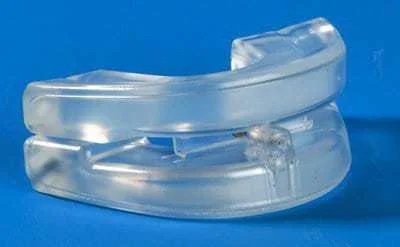
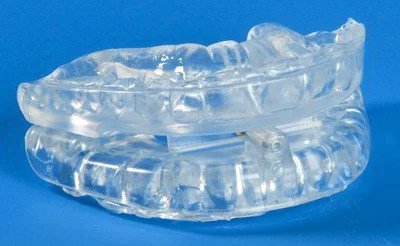
The advantages of this treatment method are: It costs significantly less than custom-made appliances made by a dentist, reducing the financial burden on patients, and the appliance can be made quickly in just 10 minutes, allowing patients to take it home the same day. This might make the tool...This is another option for trying out before deciding to get specialized dental equipment from a dentist, which is almost ten times more expensive.
However, before receiving such treatment, you must meet with...Sleep specialistThose with sufficient knowledge and experience regarding this tool should undergo a sleep test beforehand. This will provide information to determine whether you are safe and suitable for this treatment method.
Potential side effects of treatment with an anti-snoring crown.
Short-term side effects may include initial pain at the mouthguard placement area, gum sores in some cases, and jaw pain or discomfort. Some patients may experience excessive salivation or dry mouth due to inability to close their mouth completely while sleeping. These problems usually improve with use and adjustment over time.
As for long-term side effects, prolonged use may result in malocclusion, tooth pain, or effects on the jaw and temporomandibular joint. However, these symptoms are usually not serious and can be resolved with consistent treatment.
Treatment monitoring
Although the use of oral appliances is a good alternative for treating patients with...Snoring problems and sleep apnea. In mild cases, however, treatment outcomes may have limitations, as with other treatment methods.
Therefore, you should consult a sleep apnea specialist first to determine if this type of device is suitable for you. If you choose this treatment, you should use the device consistently and regularly, and have follow-up checkups with your doctor to ensure you are using the device correctly in your mouth.
To ensure the most effective and beneficial treatment results, you should also receive comprehensive oral and dental care, including jaw care, from a dentist. This is to prevent and address potential complications, as well as to resolve any issues or complications arising from the treatment in the best possible way.
Source:
From the article titled "Titratable Thermoplastic Oral Appliances".
By Assoc. Prof. Dr. Wich Bannahiran
American Board of Sleep Medicine, Certified International Sleep Specialist
Department of Otolaryngology
Faculty of Medicine Siriraj Hospital
Note: All content in this article is published with the permission of the author for the benefit of the public. If anyone wishes to copy all or part of this content for publication elsewhere other than our website, please include attribution to the author and our website. Your cooperation would be greatly appreciated.


