
Which CPAP mask is right for you?
Last updated:
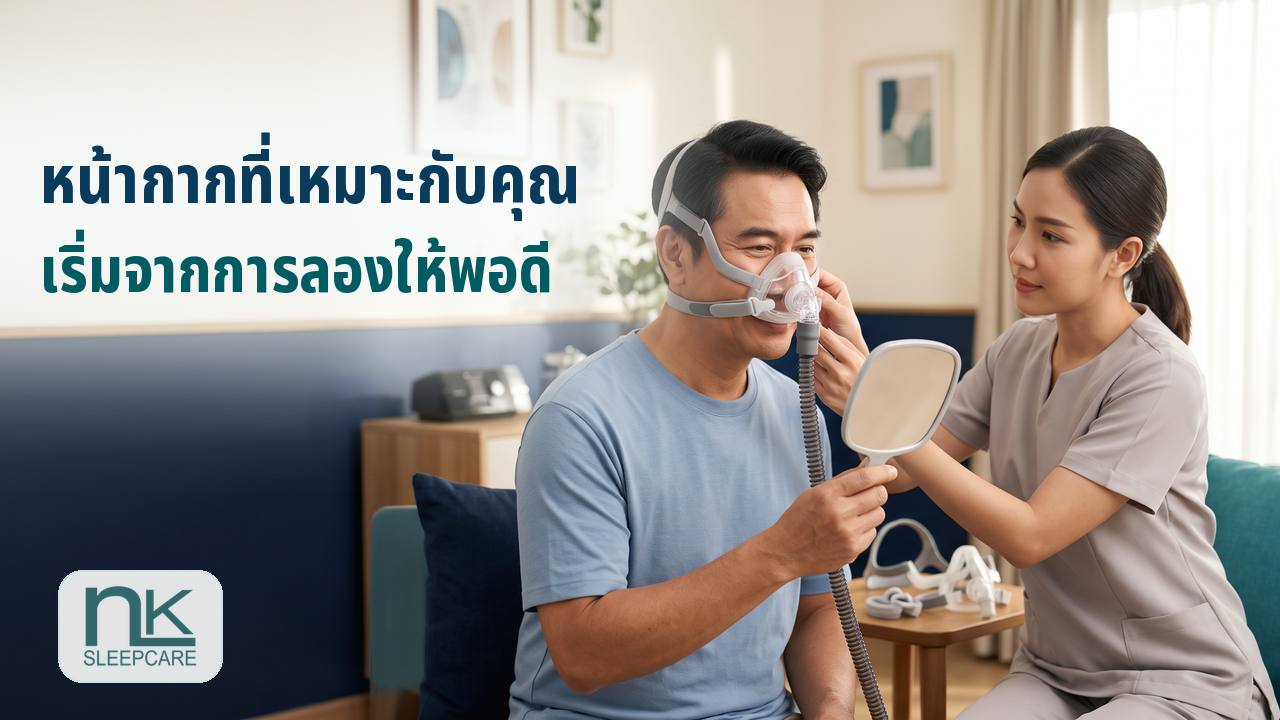
There's no single best CPAP mask for everyone. The mask is the part that fits snugly against the face and receives air from the machine through a tube. Therefore, when choosing one, you should consider the entire machine, the mask itself, and ensuring a proper fit, not just the mask alone. [1,3]
Once your doctor or healthcare team recommends a CPAP machine, the next step is to choose a mask, considering your breathing pattern, sleeping position, face shape, size, comfort, and air leakage. After starting use, you should monitor your progress and inform your healthcare team if you experience any problems. [4]
What is a CPAP mask, and how should you choose one?
A CPAP mask is the part that connects the air tube to the nose, or both the nose and mouth. The mask must fit snugly, not cause pain or pressure, and not leak to the point of interfering with use. Therefore, the fit is just as important as choosing the right type of mask. [1,3]
For a review of the basics, read more here. What is CPAP and how does it work? This information is for informational purposes only. The selection of the device and pressure adjustment should be done according to the recommendations of your doctor or healthcare team.
Three main groups of CPAP masks.
There are three common types of face masks: nose-covering masks, masks that insert into the nose, and masks that cover both the nose and mouth. Each type has different uses and considerations. There is no single type that is suitable for everyone. [1,3]
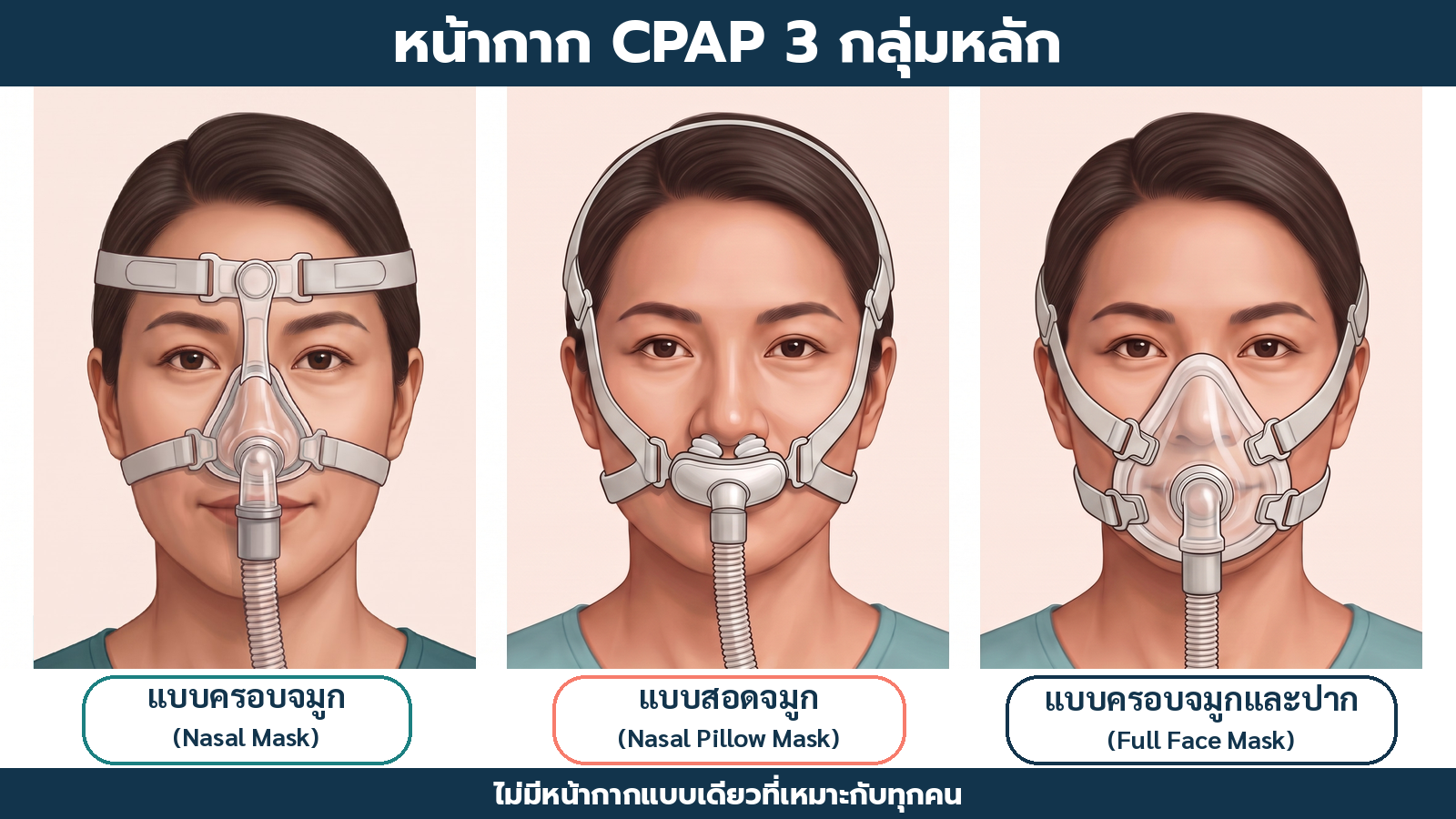
1. Nasal mask
This might be the best option if nasal breathing is comfortable and the mask fits your face properly, but it doesn't mean all first-time users should choose this type. If there is air leakage from the mouth or nasal congestion, you should have your healthcare team assess the situation. [2,5]
2. Nasal pillows
This might be suitable for people who dislike the feeling of a mask covering their face, or who want the mask to touch the pillow less. However, it needs to be positioned correctly and checked for air leaks or skin irritation in the area that contacts the nostrils. [1,5]
3. Oronasal or Full-face mask (covers both nose and mouth)
It may be an option when there is air leakage through the mouth, difficulty breathing through the nose, or when a nasal mask or nasal insert doesn't fit properly. However, not everyone who breathes through their mouth needs a full-face mask, and the choice shouldn't be based solely on the severity of OSA. [1,4]
A wider face mask may cause discomfort, pressure marks, or dry mouth. If you experience excessive air leakage or abdominal discomfort, inform the medical team or provider, and do not change the pressure or mode of the device yourself. [1]
Check these 5 things before choosing a CPAP mask.
- Breathing: Do you experience nasal congestion, mouth breathing, dry mouth, or wake up due to air leakage? This information is useful to discuss with your medical team and should not be used to determine which type of mask you need yourself. [1]
- Sleeping position: If you sleep on your side or toss and turn frequently, is there a chance the mask could hit the pillow or pull on the air tube? And you should try wearing it in your actual sleeping position. [1]
- Face shape and size: Is the mask causing discomfort or leaking air? Masks come in many types and sizes, so they need to fit the user properly, not by tightening the straps more and more. [2,3]
- Comfort and air leaks: If you experience pressure marks, air entering your eyes, wind noise, or frequent awakenings after use, check the position of the mask and straps. If the problem persists, ask your service provider to refit it. [1,3]
- Monitoring plan: If there's still air leakage, it's painful to use, or I can't continue using it, who can I contact? How can I request a different size or type of mask, and is there any follow-up monitoring of my usage? [2,5]
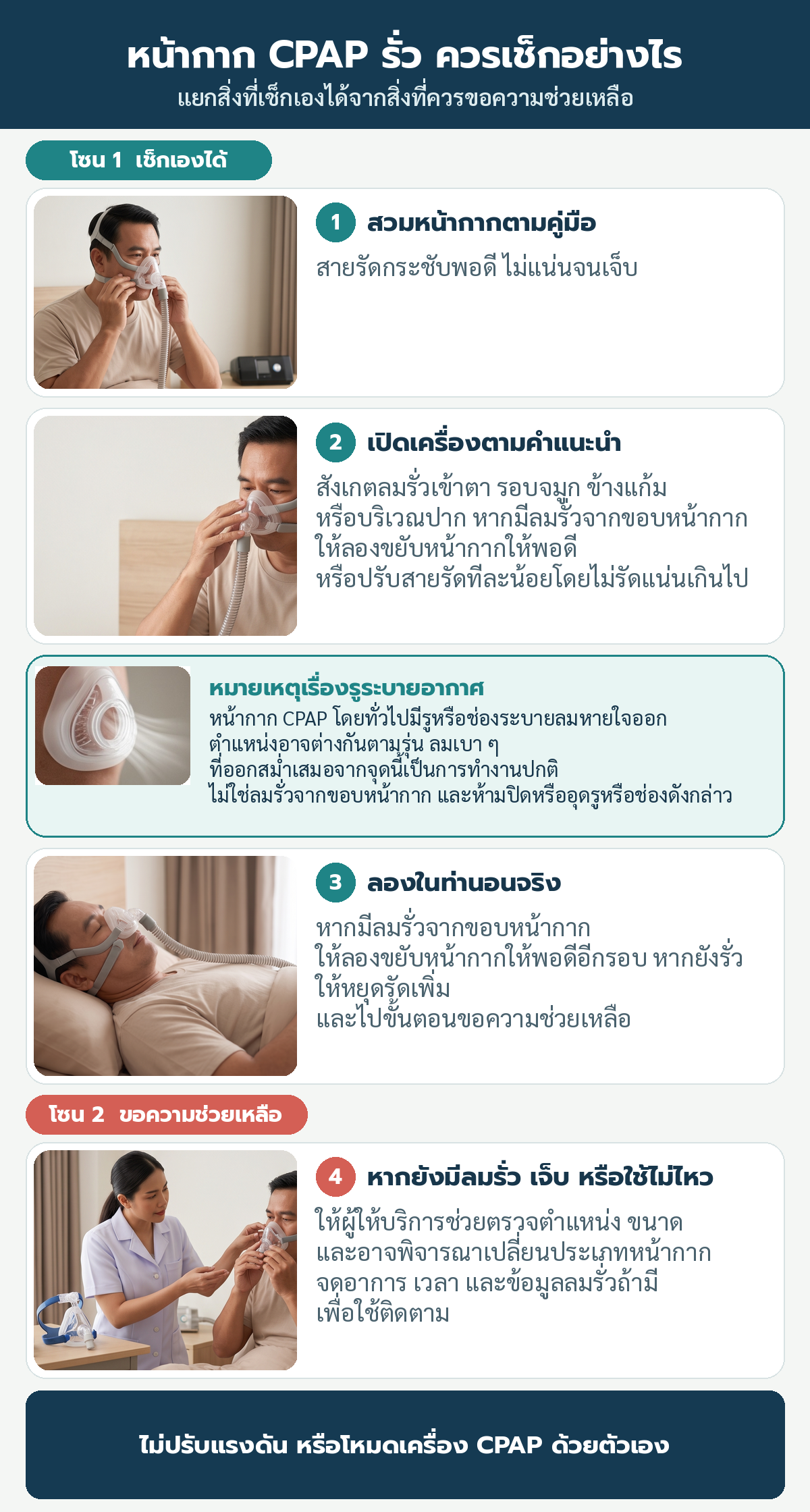
How to safely fit a face mask and check for leaks.
Service providers should demonstrate how to wear the mask and help fit it properly. When problems arise, don't simply try to fix them by tightening the straps. [3]
- Wear the mask as instructed. Adjust the straps to a comfortable fit—not too tight that it hurts, and not too loose that the mask slides. [1,3]
- Turn on the device as instructed by the medical team or in the manual, and observe whether air is leaking into your eyes, around your nose, cheeks, or mouth. [1] If there is air leakage, try adjusting the mask back into place or gradually adjusting the straps, avoiding overtightening them. [1]
- Try wearing the mask in the actual lying position. If leakage persists, do not tighten the straps further, but have a healthcare provider check the size and position, or consider changing to a different type of mask. [1,3]
- Record the symptoms and time of occurrence, as well as any information about air leaks (if any), for follow-up purposes. [4]
Do not adjust the pressure or operating mode of your CPAP machine yourself to troubleshoot mask issues. If you experience discomfort, excessive air leakage, or abdominal discomfort after using the correct pressure, contact your healthcare provider or support team. [1,4]
Price, models, and things to ask before buying.
Prices of masks and service terms may vary depending on the model and time period. Therefore, this article does not specify exact prices, models, or brand quality assurances.
Before buying a mask, you should inquire about the size, fit testing, replacement parts, care instructions, troubleshooting options, as well as price and service terms and conditions.
If you have any questions or would like more information about CPAP masks, please contact us. Contact Us yes
FAQ
Which CPAP mask is best?
There is no single best mask for everyone. You should choose based on your breathing pattern, sleeping position, face shape, size, comfort, air leakage, and after-sales service. There are many types, styles, and sizes of masks available, so you can choose one that suits you best. [2,5]
Should beginners start with a nose mask?
It's not necessary. You should consider both your breathing pattern and the fit of the mask. If the first mask you try leaks air or causes discomfort, you can ask the provider to help you fit a different type of mask, such as a nasal pillow. [1]
If you breathe through your mouth, do you always need to use a full-face mask?
Not always. Full-face breathing might be an option, but the medical team should assess both the type and size of the animal and not make a decision based solely on mouth breathing. [1,4]
Should the mask straps be tightened if it's leaking?
If the straps are tightened properly but air is still leaking, do not tighten them too much. Try adjusting the mask's position or your sleeping position. If it's still leaking, have a healthcare provider re-tighten it, or consider switching to a different type of mask. [1]
If high pressure is used, what type of mask should be chosen?
You shouldn't choose a respirator based solely on the pressure reading. If the pressure is too high and causes discomfort, have your medical team assess the situation. Do not try to solve this problem by changing the type of respirator, adjusting the pressure, or changing the respirator mode yourself. [3,4]
summarize
When selecting the type and size of a CPAP mask, consider breathing patterns, sleeping position, face shape, comfort, and air leaks. If you experience any problems after starting use, consult your healthcare provider or team before changing the type or size of mask, and do not adjust the CPAP machine settings yourself. [3,4]
This information is for educational purposes only and is not a diagnosis or medical advice. If you experience any abnormal symptoms, severe difficulty breathing, or have problems using a CPAP machine, you should contact your healthcare team or seek appropriate assistance.
References
¹ American Thoracic Society, Guide to Using Pneumatic Tools and Basic Troubleshooting – Sources of information
² American Thoracic Society, “Positive Airway Pressure for Adults with OSA” – https://www.thoracic.org/patients/patient-resources/resources/cpap-for-osa.pdf
³ American Academy of Sleep Medicine, Guidelines for Manual Ventilation Pressure Adjustment – Sources of information
⁴ American Academy of Sleep Medicine, Summary of Guidelines for Treatment with Pneumatic Devices – Sources of information
⁵ American Academy of Sleep Medicine, Systematic Review and Meta-Analysis of Pneumatic Sleep Therapy – Sources of information