Using a continuous airway pressure (CPAP) machine during sleep can help treat snoring.
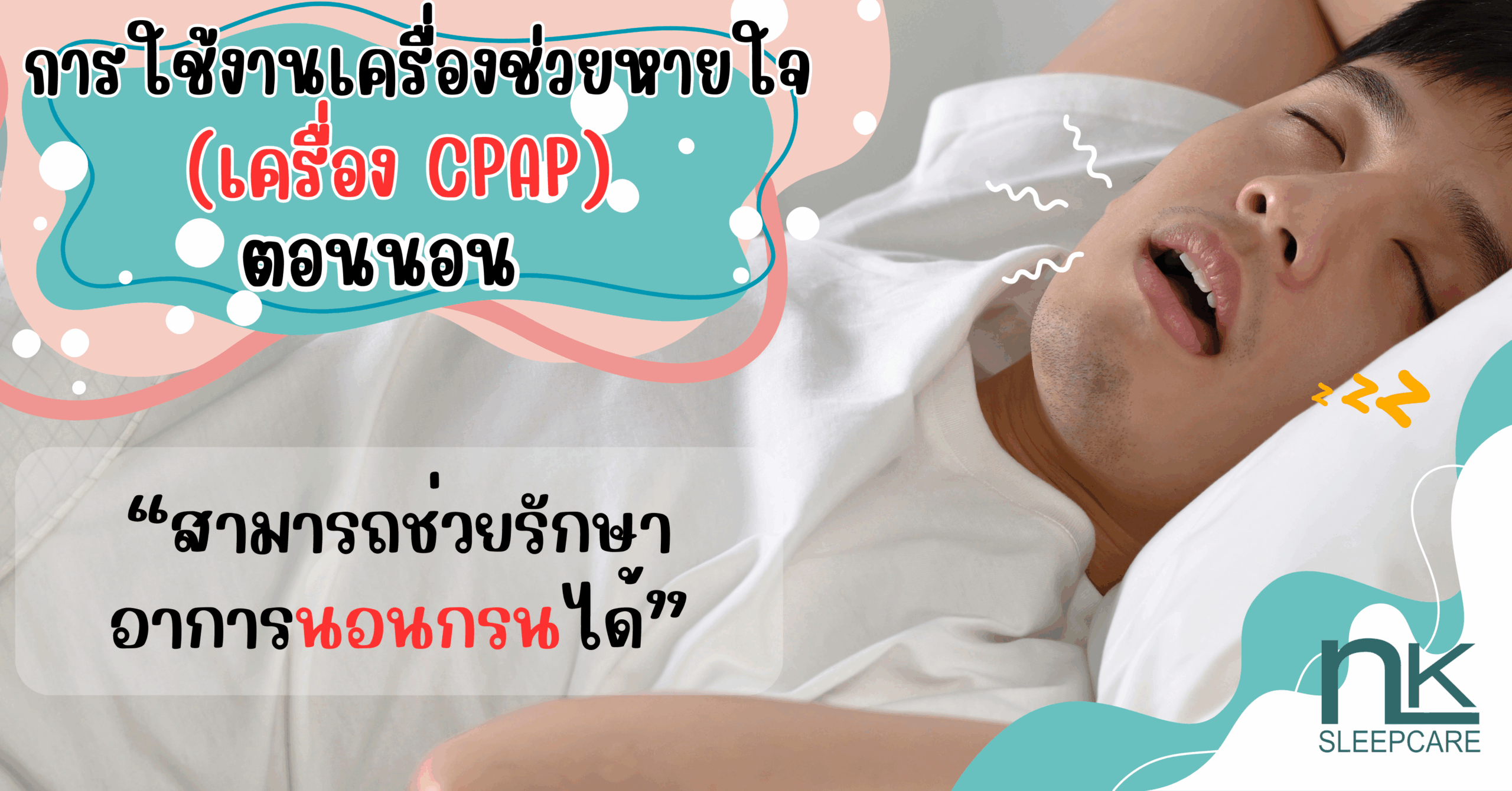
Snoring isn't just a loud noise that disturbs the person next to you; for many, it's a warning sign of deeper health problems. Many families endure nights of restless sleep, waking up feeling unrested, drowsy throughout the day, decreased concentration, and some begin to worry that their snoring might develop into a serious illness.
One of the internationally recognized treatments for people with obstructive airway snoring is a sleep aid, also known as a sleep apnea machine. CPAP machine This article will guide you through the causes of snoring, the mechanism of action of CPAP (Continuous Positive Airway Pressure) machines, choosing the right CPAP mask, and essential things to know before buying, ensuring your investment in sleep health is worthwhile and delivers real results.
What is snoring, and how does it affect health?
snoringSnoring occurs when airflow through a narrowed airway during sleep, causing the soft tissues in the throat to vibrate and produce a loud sound. The severity of snoring ranges from mild, occasional to severe, occurring every night.
The effects of snoring don't stop at just the sound; they also impact sleep quality and overall health, such as:
- Light sleep, frequent awakenings during the night.
- I woke up feeling unrested, even after getting enough sleep.
- Daytime drowsiness and decreased concentration.
- Increases the risk of high blood pressure.
Normal snoring vs. snoring due to sleep apnea.
Simple snoring is usually caused by temporary behaviors or factors such as weight gain, alcohol consumption, or sleeping on your back. The snoring sound is usually irregular and does not lead to sleep apnea.
While snoring due to obstructive sleep apnea (OSA) is a condition where the airway repeatedly obstructs during sleep, causing periods of cessation of breathing. This results in a decrease in blood oxygen levels, causing the body to wake up involuntarily several times during the night.
A key difference is that people with OSA often experience excessive daytime sleepiness, decreased memory, and a higher risk of chronic illnesses than the general population.
Understand the risks of leaving snoring untreated.
If snoring becomes severe or...sleep apneaLeaving it untreated may lead to long-term health problems such as:
- Difficult-to-control high blood pressure
- Ischemic heart disease
- Arrhythmia
- Type 2 diabetes
- Accidents caused by drowsiness while driving or working.
How do CPAP machines (continuous airway pressure boosters) help treat snoring?
A CPAP (Continuous Positive Airway Pressure) machine is a medical device that uses a continuous supply of positive air pressure to help keep the airway open throughout the night.
Instead of the airway collapsing and becoming obstructed, a CPAP machine delivers the appropriate pressure of air through a CPAP mask into the nose or mouth, allowing for a consistent flow of breathing.
How a CPAP (Continuous Continuous Airway Pressure) machine works.
How a CPAP machine works during sleep. This involves creating or automatically adjusting air pressure to support the airway and prevent it from collapsing during sleep.
The main components of the system include:
- The CPAP machine that generates air pressure.
- Air duct
- CPAP masks worn while sleeping.
- A humidification system to prevent dryness of the nose and throat.
Reduce airway obstruction during sleep.
When using a sleep apnea device consistently during sleep, the airway remains open throughout the night, reducing soft tissue vibrations and thus helping to reduce or stop snoring and prevent periods of sleep apnea.
The result is that the body receives sufficient oxygen, and the heart and brain don't have to work too hard.
Results after using a CPAP machine during sleep.
Many users have reported significantly changed results, such as:
- The snoring decreases or disappears.
- Sleep more deeply, wake up feeling refreshed.
- Less sleepy during the day.
- Overall quality of life improved in both health and family relationships.
How many types of CPAP masks are there, and how do you choose the right one?
CPAP masks are a crucial factor affecting comfort and continuity of treatment. Choosing the right mask helps reduce air leakage and makes treatment more accepting for the user.
1. Nasal mask
This type of mask covers only the nose area and is suitable for people who primarily breathe through their nose, providing a balance between a snug fit and comfort.
The advantage is that...
- Comfortable to wear
- Suitable for general users.
- Reduces pressure on the face compared to a full-face covering.
2. Nasal pillow mask
This type of mask is small, lightweight, and designed to be inserted through the nostrils. It's suitable for those who find larger masks uncomfortable or those who tend to toss and turn in their sleep.
The advantage is that...
- Highly agile
- Ideal for those who prefer sleeping on their side and don't feel uncomfortable.
- Reduce contact with your face.
3. Full Face Mask
Ideal for those who breathe through their mouth or frequently experience nasal congestion, this mask allows a continuous flow of air into the body even with the mouth open while sleeping.
The advantage is that...
- Suitable for those with severe conditions.
- Reduce air leakage problems caused by opening the mouth.
Common problems arising from choosing the wrong mask.
Choosing the wrong CPAP mask can lead to problems such as:
- Air leaks reduce the effectiveness of treatment.
- Pain or irritation in the facial area.
- I felt uncomfortable and didn't want to use it continuously.
These problems often cause users to stop using sleep ventilators before seeing real results, even though they can be resolved by changing the type or size of the mask to a more suitable one.
Read the details. How to choose a CPAP mask? Choose what suits you best. Different types of CPAP masks
Things to know before buying a sleep apnea machine.
Purchasing a sleep aid isn't just about price; several factors should be considered to ensure it's suitable for your symptoms and long-term use.
How to choose the right CPAP machine for your symptoms.
Factors to consider include:
- Type of air pressure: constant or automatic adjustment.
- Severity of sleep apnea.
- The need for a humidification system.
- Easy to carry, ideal for frequent travelers.
Undergoing a sleep test and consulting with a specialist can help you choose the right sleep breathing device to meet your actual needs.
Are CPAP machines expensive, and are they worth the money?
CPAP machine price Sleep aids, or breathing assistance devices, come in various price ranges depending on the functions and technology used. While it may seem like a high initial investment, the long-term health benefits make it a worthwhile investment.
Quality sleep can reduce healthcare costs for chronic diseases, improve work performance, and enhance overall quality of life.
summarize
A CPAP machine, or continuous positive airway pressure (CPAP) machine, is one of the effective and internationally recognized treatments for snoring and sleep apnea. With the right machine and mask, and consistent use, you will notice significant improvements in sleep quality and overall health.
If you or someone close to you is experiencing snoring problems, don't let a small issue tonight become a major health problem in the future. Starting to take care of your sleep today is the most worthwhile investment in the long run.