Snoring and sore throat: What causes them, and effective solutions?
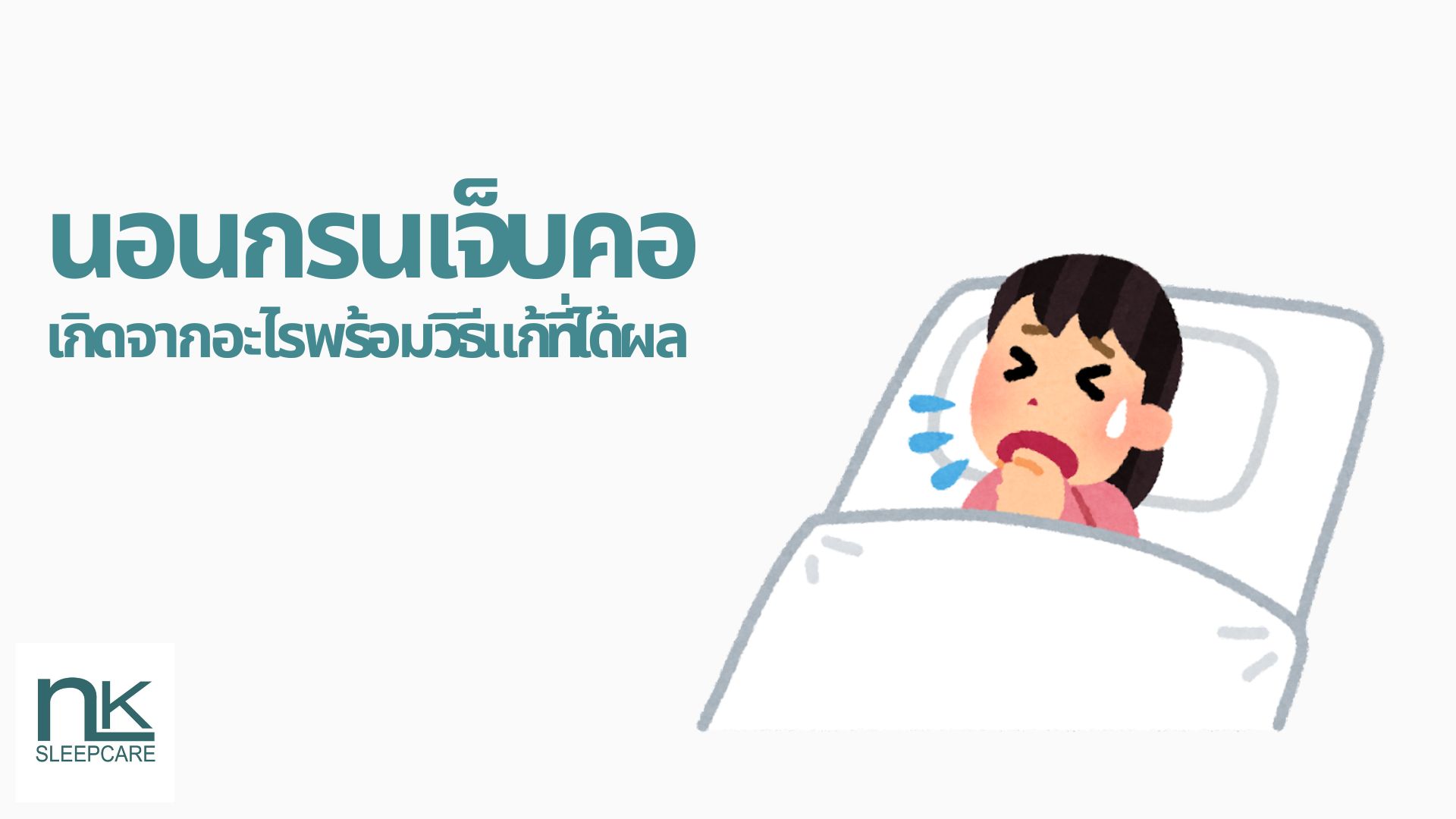
Waking up with a sore throat after snoring is one of the "warning signs of abnormal sleep quality" that many people often overlook, especially those who snore regularly.
From a medical perspective, this condition is often associated with abnormal respiratory function during sleep, such as airway narrowing or mouth breathing throughout the night. This directly affects the tissues in the throat, causing a buildup of irritation that the patient may not be aware of.
Importantly, snoring accompanied by a sore throat may be the "beginning" of severe sleep apnea, which can have long-term health consequences if not properly diagnosed.
What causes a sore throat when I snore?
This symptom is not caused by a single factor, but rather a combination of several factors that occur simultaneously during sleep, especially "changes in the respiratory system" when the body enters deep sleep.
The vibrations of the airways can irritate the throat.
While we sleep, the muscles in the throat naturally relax, narrowing the airway. As air flows through this narrowed area, it creates vibrations on soft tissues such as the soft palate, uvula, and the back of the pharynx. The snoring sound is merely a symptom of these vibrations; what actually happens is repeated friction against the throat tissues throughout the night.
When vibrations accumulate over several hours, they can cause minor, chronic inflammation of the throat lining, resulting in a sore throat upon waking up. Or it can clearly irritate the throat, especially in people who snore loudly or continuously throughout the night.
Breathing through the mouth while sleeping.
Another important factor that can make a sore throat more pronounced is: “"Breathing through the mouth"” This is commonly found in people who snore, especially those with nasal congestion, allergies, or narrow nasal passages.
Normally, breathing through the nose filters dust, humidifies, and cools the air before it enters the body. However, when breathing through the mouth, all of these mechanisms are lost. The result is... The throat is exposed to dry air directly overnight, causing it to lose moisture and leading to accumulated irritation.
Symptoms commonly found in this group include:
- I woke up with an unusually dry throat.
- Hoarse voice in the morning
- Sore throat not associated with infection.
Airway narrowing is a risk factor for sleep apnea.
If snoring becomes more severe and is accompanied by a persistent sore throat, the risk factors should be considered. sleep apnea Sleep apnea is a condition that occurs when the airway "closes periodically" during sleep, causing the body to try to breathe harder to reopen the airway.
The impact and vibrations that occur with each snoring cycle are many times more severe than those of typical snoring, causing greater throat irritation. This is why patients in this group often experience a noticeable sore throat upon waking up.
In addition, there are often accompanying symptoms that should be noted, such as:
- I woke up with a start in the middle of the night.
- I feel like I can't breathe properly.
- Feeling unusually sleepy during the day.
What are the negative health consequences of snoring and having a sore throat?
This symptom doesn't just affect the level of "discomfort," but also reflects deeper problems with sleep quality and can lead to long-term health consequences.
Worsening sleep quality.
Persistent snoring during sleep means that airflow in the body is disrupted, preventing the body from fully entering deep sleep. This is directly related to... Sleep cycle Even with 7-8 hours of sleep, the quality of sleep is significantly reduced, preventing the body from fully recovering. The noticeable result is: Feeling tired and mentally foggy. And work efficiency decreases.
Increases the risk of developing chronic diseases in the long term.
In individuals with sleep apnea, intermittent breathing pauses lead to a decrease in blood oxygen levels. When this occurs repeatedly over a prolonged period, it increases the risk of serious diseases such as: Heart disease, high blood pressure, and stroke. The key point is that many patients are unaware they have this condition until it has already affected their health to some extent.
It affects the quality of life.
Beyond physical effects, chronic snoring and sore throat significantly impact daily life. These include daytime sleepiness, decreased concentration, mood swings, and even negatively affect relationships with loved ones due to the snoring noise. All of this leads to a lower overall quality of life, even if it initially seems like a minor problem.
How to cure snoring and have a sore throat? How to make it go away.
Effective treatment shouldn't just reduce sore throat symptoms, but must systematically address the "root cause of snoring."
Adjust your sleep habits.
Behavior modification is an important starting point, especially for those with mild to moderate symptoms.
- Sleep on your side.To reduce airway collapse.
- Control your weight to reduce fat around the neck.
- Go to bed and wake up at the same time to maintain a healthy sleep rhythm.
Avoid alcohol, cigarettes, and certain medications.
Certain behaviors directly affect the severity of snoring, such as alcohol, cigarettes, and some medications. These substances affect the relaxation of the throat muscles and narrow the airways. Avoiding these things is therefore another way to reduce snoring.
Use a CPAP machine for treatment.
For individuals with sleep apnea, the use of... CPAP machine It is considered a highly effective standard of treatment.
The device works by releasing air pressure steadily to prevent the airway from collapsing during sleep.
The result is not just a reduction in snoring, but also helps...
- I could breathe continuously throughout the night.
- Reduce the sensation of waking up suddenly.
- Reduce sore throat symptoms caused by friction.
Newer models, such as the AirSense or DreamStation, also have a humidification system to effectively reduce dry throat. Read more.CPAP machine Each model has...
Currently, it is possible.CPAP machines are eligible for social security reimbursement. Within a limit of 20,000 baht.
Perform a sleep test to analyze the cause.
If symptoms do not improve or tend to worsen. Sleep Test This is a step worth considering. This test will provide insight into sleep patterns such as breathing, oxygen levels, and the frequency of apnea. This information helps make treatment more “precise” and reduces unnecessary trial and error.
How to prevent snoring and sore throat in the long term.
Long-term prevention is not just about reducing symptoms, but about creating a sustainable "quality sleep system."
Adjust your sleeping environment.
The environment affects the respiratory system more than many people realize. Rooms that are too dry or poorly ventilated can easily irritate the throat.
Controlling the temperature, humidity, and air quality in your bedroom can effectively reduce sore throat symptoms after waking up.
Take care of your respiratory health.
Treating related conditions, such as allergies or sinusitis, can help improve nasal breathing and reduce reliance on mouth breathing.
When breathing returns to normal, sore throats caused by snoring will also decrease.
Perform a sleep test when there are abnormal signs.
In cases of chronic snoring or the onset of unusual signs such as excessive daytime sleepiness or waking up suddenly during the night, a sleep test can help plan timely treatment and prevent future complications.
summarize
Snoring accompanied by a sore throat is more than just minor discomfort upon waking up; it's a sign of a potentially underlying sleep breathing problem, especially in those with chronic or worsening symptoms.
Correct treatment starts with understanding the root cause and choosing a treatment approach appropriate to the severity of the symptoms, whether it's lifestyle modification, reducing risk factors, or using medical equipment such as a CPAP machine.
In cases of risky sleep apnea, a sleep test is key to accurate diagnosis and treatment planning.


