
How to stop women from snoring? Causes and how to manage it.
Last updated:
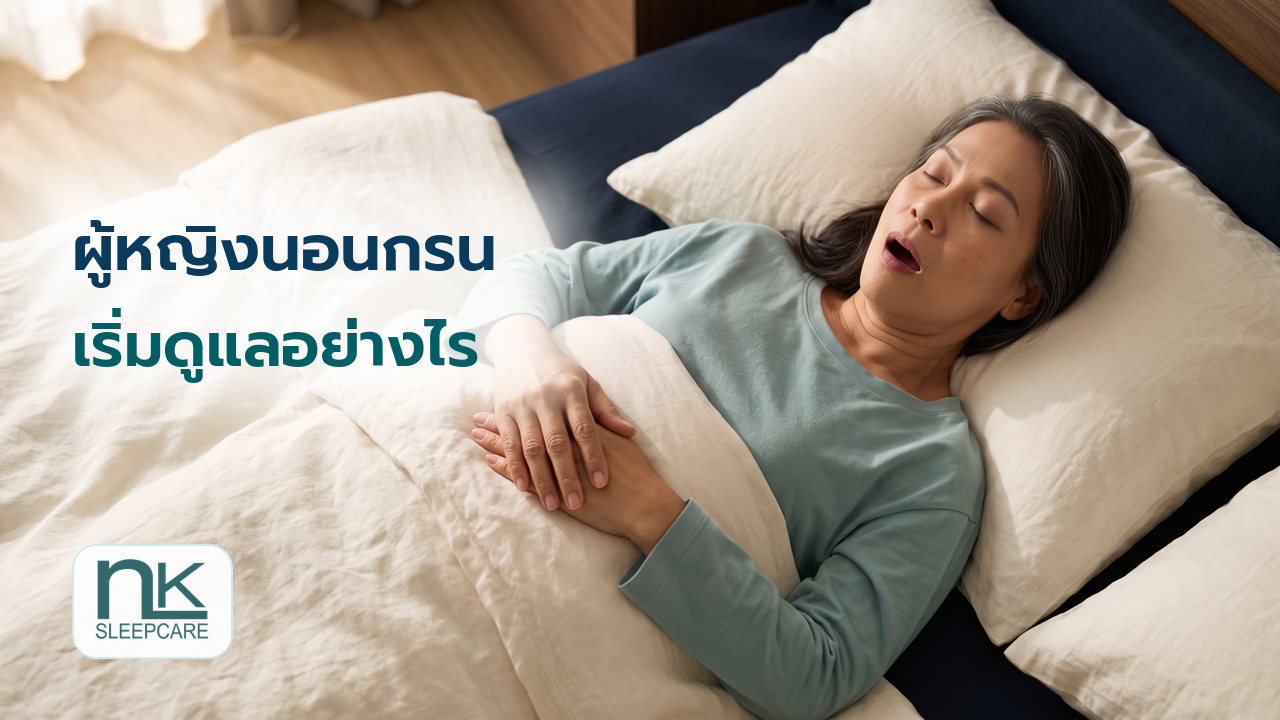
“"Whenever I go on a trip to another province with my friends, I always sneak in a nap after everyone else."”
“"When I have overnight stays with my boyfriend, I'm so worried I can't sleep soundly because I'm afraid I might make an embarrassing noise."”
The two sentences above describe feelings that many women who snore may be familiar with. If you're concerned about this, try starting by paying attention to your symptoms. According to the National Heart, Lung, and Blood Institute (NHLBI), when considering symptoms of sleep apnea, frequent and loud snoring is more common in men, while fatigue is more common in women. [1] And women tend to experience some symptoms more often. [2] Symptoms in women with sleep apnea may not be limited to just loud snoring.
But I want you to feel at ease and stop blaming yourself. Try having an open and honest conversation with your healthcare team about the snoring and any other symptoms you've noticed. [1] It's important to know that frequent, loud snoring is one symptom that may occur in sleep apnea. [1] One type of this condition is obstructive sleep apnea (OSA), which occurs when something obstructs the upper airway during sleep, preventing normal airflow. For example, the tongue may fall back and block the airway. [3]
Sleep apnea is detectable. A sleep study can help diagnose the type and severity of sleep apnea. [4] If this condition is detected, the most common treatment is a positive airway pressure (PAP) device. There are several types of PAP machines, and you should discuss with your healthcare team which type is right for you. [5] This information is not a guarantee of the effectiveness of any particular care or treatment.
Today, NK Sleepcare will help you understand what causes snoring in women, what signs should not be ignored, how to initially address it, how much self-care is possible, and when to seek medical attention and treatment. We'll also cover important things to know during pregnancy and menopause, so you'll have the information you need to confidently seek help.
What causes women to snore? Learn about 4 common things and life stages that women should know.
Many women may wonder and worry that, even though they haven't gained weight and rarely drink alcohol, they've started snoring so loudly that their partner has noticed.
Let's look at it this way to make it easier to understand. Snoring and sleep apnea can differ between men and women in two ways. First, the symptoms; women tend to experience some symptoms more frequently. [2] The second factor is life stage. Women may be at increased risk of sleep apnea during pregnancy or during and after menopause, partly due to hormonal changes. [2] This information comes at a risk.
Age, family history, lifestyle habits, other underlying medical conditions, and certain physical features such as the neck or tongue are factors that increase the risk of sleep apnea. [3] This article will therefore divide the aspects relevant to women who snore into four points: upper airway characteristics and sleeping position, body weight (often roughly assessed using body mass index; BMI), age and menopause, and nasal symptoms and allergies. Of these, airway characteristics, weight, and age have supporting evidence as risk factors for sleep apnea. Sleeping position and nasal symptoms will not be concluded as causes, as the sources cited do not specify. Pregnancy will be addressed in a separate section. All of these relate to risk factors and things to observe.
1. Characteristics of the upper respiratory tract and sleeping position.
The first thing to know is about the structure of the upper airway, because in obstructive sleep apnea (OSA), there is something blocking the upper airway during sleep. [3] Additionally, enlarged tonsils, throat, or tongue may narrow the upper airway or increase the likelihood of the tongue obstructing the airway during sleep. [3] These characteristics are risk factors for sleep apnea.
Regarding sleeping on your back, the sources cited do not indicate that sleeping on your back causes snoring in women who have not yet been evaluated. The available information on sleeping positions applies to people with sleep apnea, in which case the healthcare team may recommend sleeping on your side instead of on your back. [5] If you snore and haven't been evaluated yet, this information doesn't indicate that changing your sleeping position is a treatment option in your case.
2. Body weight and obesity.
Body weight and Body Mass Index (BMI) Being taller isn't just about physical appearance. People who are obese may have more fat accumulation in their neck, which can obstruct the upper airway. [3] And during menopause, women may gain weight, including around the neck. [2]
For women who snore and have gained weight, it's important to know that certain body parts, such as the neck, are factors that increase the risk of sleep apnea. [3] Snoring during pregnancy will be explained in a separate topic.
3. Older age and menopause: Periods when the risk increases.
Older age increases the risk of sleep apnea. [3] And for women, there's another period they should be aware of: menopause (often called the "golden age"). During and after this period, women are at increased risk of sleep apnea. [2]
The increased risk of sleep apnea during menopause is partly due to hormonal changes. [2] If you've started snoring or feeling fatigued lately, consult a doctor about your symptoms. [1] To discuss together whether further sleep assessment is needed.
4. Nasal congestion, allergies, or sinusitis: How comprehensive is the information in this article?
Some women who snore may have allergies, sinusitis, or a deviated nasal septum, and also experience nasal congestion or mouth breathing while sleeping. However, the sources cited do not state that these nasal conditions cause snoring or sleep apnea, so I will not explain the mechanism or conclude that nasal conditions cause snoring.
Regarding snoring and other symptoms of sleep apnea that you are experiencing, you should discuss them with your healthcare team. [1] This section does not provide advice on how to examine or manage nasal symptoms.
If you snore during pregnancy, you should talk to your pregnancy support team.
The topic of sleep apnea needs to be discussed separately. Women may have an increased risk of sleep apnea during pregnancy, partly due to hormonal changes. [2] And for pregnant women who are obese, the American College of Obstetricians and Gynecologists (ACOG) explains that sleep apnea can cause fatigue and increase the risk of high blood pressure, preeclampsia, and heart and lung problems. [6]
If you snore during pregnancy or experience extreme fatigue, tell your healthcare team about your symptoms. [1] Regarding treatment or the use of devices during pregnancy, I will not provide any advice here.
What types of snoring in women warrant a visit to the doctor? Signs you shouldn't ignore.
Many women think that soft snoring is nothing to worry about, but other symptoms should also be considered. In cases of sleep apnea, frequent and loud snoring is more common in men, while fatigue is more common in women. [1] And women tend to experience some symptoms more often. [2] Some people may not experience symptoms like snoring at all, and therefore may not realize they have this condition. [2] Women who don't snore loudly should still observe for other symptoms. sleep apnea Then, consult a doctor about your symptoms. [1]
If you or someone sleeping next to you notices the following three signs, you should discuss them with your healthcare team. [1]
1. Snoring that is interrupted, with periods of silence, or gasping for breath in the middle of the night.
Symptoms of sleep apnea that may occur during sleep include pauses in breathing followed by resumption of breathing, frequent loud snoring, and gasping for air. [1] You might not even realize you have these symptoms until someone tells you. [1] The person sleeping next to you might be the one to notice if the snoring is interrupted or if it goes silent for periods of time.
Things you or your partner observe, such as interrupted snoring, periods of silence, or gasping for breath, are details you should mention when consulting a doctor about your symptoms. [1] Sleep studies can help diagnose the type and severity of sleep apnea. [4]
2. Fatigue, drowsiness during the day, and headaches in the morning.
Daytime symptoms are another thing to watch out for. Some people may notice signs of sleep apnea, such as daytime sleepiness and fatigue, which can lead to problems with learning, concentration, and responsiveness. [1] If you have these symptoms, it's a good reason to seek advice. [1]
Women tend to experience certain symptoms more often, such as daytime sleepiness and headaches, especially in the mornings. [2] Fatigue, another symptom of sleep apnea, is more common in women. [1] If you are going through menopause, it's important to know that this stage also affects sleep and can lead to insomnia, headaches, and fatigue. This may make it more difficult for both you and your healthcare team to detect sleep apnea. [2] These symptoms are therefore something that should be discussed during your consultation. [1]
3. Snoring combined with an underlying medical condition.
If you snore and have a pre-existing medical condition, you should know that these other conditions are one of the factors that increase the risk of sleep apnea. [3] And research from the NHLBI has found that sleep apnea may increase the risk of high blood pressure, diabetes, heart disease, and stroke. [3] All of this is a matter of interconnected risk.
If you have a pre-existing condition, such as high blood pressure, along with snoring, you should inform your healthcare team about your snoring and any other symptoms you experience. This way, they can jointly determine if further sleep evaluation is necessary. [1] For those who have had or are at risk of having...Stroke (cerebral infarction) You should also inform the team in charge about snoring. [1]
When should women who snore seek medical advice, and what should they discuss?
If you experience any of the following symptoms, you should schedule an appointment to discuss your symptoms with your healthcare team. [1]
- The person sleeping next to you might notice your breathing stopping and then starting again, your snoring becoming choppy and then silent, or you gasping for breath in the middle of the night—symptoms that can occur during sleep. [1]
- Persistent fatigue, daytime sleepiness, or morning headaches are symptoms of sleep apnea, and women tend to experience these symptoms more frequently. [1] [2]
- Having an underlying medical condition that coincides with snoring can increase the risk of sleep apnea. [3]
- Women who are going through or after menopause and start snoring or feeling more fatigued are at increased risk of sleep apnea. [2]
- Pregnant and snoring: During pregnancy, women may be at an increased risk of sleep apnea. [2] In this case, describe your symptoms to the pregnancy care team. [1]
When you go for a consultation, try to describe any symptoms you experience, including what the person sleeping next to you sees, because you may not be aware of some sleep-related symptoms until someone points them out. [1]
4 things you should know before choosing a method to manage snoring.
This topic covers four things you should know before choosing a sleep care method: sleeping positions (and who the side-sleeping recommendation applies to), weight (and how weight management helps), alcohol and smoking, and keeping a sleep journal, and nasal congestion or allergies (and how comprehensive the information in this article is). Choose to read the topics that are most relevant to you; the order in which you follow is not the same for everyone.
However, if you experience symptoms such as pauses in breathing followed by a return of breathing, gasping for breath during the night, or persistent fatigue, don't wait for all four to occur. Discuss your symptoms with your healthcare team immediately. [1] The section regarding pregnancy is explained separately in its own topic.
1. Sleeping positions and advice on sleeping on your side apply to whom?
If you prefer sleeping on your back, there's some information about sleeping positions you should know. When sleep apnea is diagnosed, your care team may recommend sleeping on your side instead of on your back, as this may help keep the airway open during sleep. [5] However, if you snore and haven't been evaluated yet, this information doesn't support sleeping on your side as a solution or treatment in your case.
Regarding sleep positioning devices or specific pillow adjustments to treat snoring, the sources cited did not mention them, so there are no recommendations on this topic.
2. In what cases can body weight, BMI, and weight management be helpful?
Weight should be considered a risk factor. Certain body characteristics, such as the neck, can increase the risk of sleep apnea. [3] Maintaining a healthy weight can help prevent or treat sleep apnea caused by obesity. [3] This applies to sleep apnea caused by obesity. This is especially true if you are in or after menopause, a period when the risk of sleep apnea increases. [2] And if you have accompanying symptoms that cause anxiety, you should discuss your symptoms with your healthcare team. [1] If a sleep study reveals sleep apnea, your treatment team may discuss long-term lifestyle changes with you. [5]
3. Alcohol, cigarettes, and keeping a sleep journal.
The behaviors supported by this article are alcohol and tobacco. Drinking alcohol and smoking increase the risk of sleep apnea. [3] Another helpful resource during the assessment is a sleep diary. This allows you to track how long you sleep, how well you sleep, and how sleepy you feel during the day. This information can aid in the diagnosis. [4] However, journaling is not a cure. Long-term health behavior modifications may be discussed as part of a treatment plan, especially if a sleep study reveals sleep apnea. [5]
4. Nasal congestion or allergies may also be present, and this article does not recommend certain things.
Women who snore and experience chronic nasal congestion from allergies or sinusitis may wonder if there are any nasal care methods to help with snoring. However, the sources referenced in this article do not discuss nasal care as a solution for snoring.
This section therefore does not contain any advice on how to rinse your nose, or any medications or products to treat snoring.
How can women stop snoring? If self-care doesn't help, what kind of medical check-up and treatment should they seek?
If you've tried taking care of yourself but still snore or wake up feeling tired, stop blaming yourself. Snoring may be related to a condition that needs to be checked, such as sleep apnea, and you don't need to wait to try every method before deciding. If there are signs that warrant investigation, go ahead and consult a doctor. [1]
For those who haven't improved despite self-care, this topic is divided into two parts: sleep assessment and testing, and treatment when sleep apnea is detected.
1. Undergo a sleep study and test to help diagnose sleep apnea.
The NHLBI explains that in making a diagnosis, the healthcare team will ask about symptoms, risk factors, and a family history of sleep apnea, and will refer them to a sleep specialist or a testing center for further examination.Sleep test [4] This test helps diagnose the type and severity of sleep apnea. [4] And ACOG states that sleep studies are commonly used to detect obstructive sleep apnea. [7]
- What is a sleep study? ACOG explains that a sleep study is the monitoring of the body's functions during sleep throughout the night. [7] Regarding what each type of test records, you can ask the team in charge or the testing center.
- Why are these test results important for women who snore? Because in cases of sleep apnea, fatigue is more common in women. [1] And women tend to experience some symptoms more often. [2] Therefore, the symptom may not always manifest as loud snoring. A sleep study can help diagnose the type and severity of this condition. [4]
2. Treatment when sleep apnea is detected may include the use of a PAP machine.
If a sleep study reveals you have sleep apnea, you may benefit from a PAP machine, an oral device, or other treatments that help keep your airway open during sleep. [5] PAP (Pain Apnea Pump) is the most commonly used treatment for sleep apnea. [5]
ACOG states that obstructive sleep apnea (OSA) can be treated with continuous positive airway pressure (CPAP) machines and mandibular advancement devices (MADs). [7] A positive air pressure (CPAP) machine is a type of PAP device. [5]
If you've been diagnosed with sleep apnea and are considering a CPAP machine or another type of PAP machine, you should be aware that there are many types of PAP machines and you should consult your healthcare team to determine which type is right for you. [5] The machine settings or adjustment methods are not included in this content. Furthermore, if a sleep study reveals sleep apnea, long-term lifestyle modifications may be discussed as part of the treatment plan. [5] Please note that the above information is not a guarantee of treatment outcome.
Don't let embarrassment prevent you from seeking advice. Snoring is a sign you should pay attention to, especially if it's accompanied by fatigue, daytime sleepiness, or other symptoms that warrant a checkup. The risk of sleep apnea may increase during pregnancy and during or after menopause. [2] If you experience symptoms, you should discuss them with your healthcare team, and a sleep study may be necessary to help with diagnosis. [1] This test can help determine what type of sleep apnea you have and how severe it is. [4]
Frequently asked questions about women snoring.
Should women who snore softly be concerned about sleep apnea?
Even if the snoring is soft, other symptoms should be considered. Because, in cases of sleep apnea, frequent and loud snoring is more common in men, while fatigue is more common in women. [1] If you snore softly but experience persistent fatigue, you should consult a doctor about this symptom. [1] To see if further sleep assessment is needed.
What should women who are going through menopause and have started snoring do?
During and after menopause, women have an increased risk of sleep apnea. [2] This is a matter of risk. If you start snoring, feeling fatigued, or experiencing daytime sleepiness, you should discuss your symptoms with your doctor or healthcare team. [1] To see if further sleep evaluation is needed.
What should I do if I start snoring while pregnant?
You should describe your symptoms to the pregnancy care team. [1] During pregnancy, women may be at increased risk of sleep apnea, partly due to hormonal changes. [2] And for pregnant women who are obese, ACOG says that sleep apnea can cause fatigue and increase the risk of high blood pressure, preeclampsia, and heart and lung problems. [6] Information regarding treatments or the use of devices during pregnancy is not within the scope of this answer.
How well can women who snore take care of themselves?
Keeping a sleep journal and managing your weight are things you can do yourself, each playing a different role. A sleep diary helps you track how long you sleep, how well you sleep, and how sleepy you feel during the day. This information can aid in diagnosis. [4] Maintaining a healthy weight can help prevent or treat sleep apnea caused by obesity. [3] Regarding sleeping position, when sleep apnea is detected, the care team may recommend sleeping on your side instead of on your back. [5] And if a sleep study reveals sleep apnea, the team caring for you may discuss long-term lifestyle changes with you. [5] If you experience symptoms such as pauses in breathing followed by a restart, gasping for air, or daytime sleepiness and fatigue, you should discuss your symptoms with your healthcare team. [1]
Who is a CPAP machine a treatment option for?
A continuous positive air pressure (CPAP) machine is a type of positive air pressure (PAP) device. [5] If a sleep study reveals sleep apnea, a PAP machine, oral device, or other treatments to help keep the airway open during sleep may be beneficial. [5] PAP (Periodic Airway Pressure) machines are the most commonly used treatment for sleep apnea. There are several types, and you should discuss with your doctor or healthcare team which type is right for you. [5] The ACOG states that obstructive sleep apnea can be treated with CPAP and intraoral devices that adjust jaw position (MAD). [7] However, this answer does not include machine settings or adjustment instructions.
The information in this article is general knowledge to help understand more about female snoring. It is not a diagnosis and is not specific treatment advice. If you have any symptoms or concerns, you should consult your doctor or healthcare team. Pregnant women should consult their pregnancy care team.
References
- The National Heart, Lung, and Blood Institute (NHLBI), affiliated with the National Institutes of Health (NIH). Sleep Apnea – Symptoms | NHLBI, NIH. https://www.nhlbi.nih.gov/health/sleep-apnea/symptoms (Accessed October 2026)
- NHLBI, NIH. Sleep Apnea – Sleep Apnea and Women | NHLBI, NIH. https://www.nhlbi.nih.gov/health/sleep-apnea/women (Accessed October 2026)
- NHLBI, NIH. Sleep Apnea – Causes and Risk Factors | NHLBI, NIH. https://www.nhlbi.nih.gov/health/sleep-apnea/causes (Accessed October 2026)
- NHLBI, NIH. Sleep Apnea – Diagnosis | NHLBI, NIH. https://www.nhlbi.nih.gov/health/sleep-apnea/diagnosis (Accessed October 2026)
- NHLBI, NIH. Sleep Apnea – Treatment | NHLBI, NIH. https://www.nhlbi.nih.gov/health/sleep-apnea/treatment (Accessed October 2026)
- American College of Obstetricians and Gynecologists (ACOG). Obesity and Pregnancy | ACOG. https://www.acog.org/womens-health/faqs/obesity-and-pregnancy (Accessed October 2026)
- ACOG. Sleep Health and Disorders | ACOG. https://www.acog.org/womens-health/faqs/sleep-health-and-disorders (Accessed October 2026)