
What is melatonin? Can it really treat insomnia?
Last updated:

Many people who have difficulty sleeping have heard that melatonin helps them sleep. The short answer is: if it's melatonin in supplement form, there is currently insufficient evidence to recommend it for treating chronic insomnia. [1] However, this doesn't mean melatonin is completely ineffective or unusable as a medication. In some countries, such as the United Kingdom, melatonin is a prescription drug for certain sleep problems. [2]
What is melatonin?
Melatonin is a hormone produced by the brain when exposed to darkness. It helps regulate the body's circadian rhythm, or biological clock, which operates in a 24-hour cycle, and is involved in sleep. [1] Simply put, it's a signal to the body that it's nighttime. Exposure to light at night may suppress melatonin production. [1]
In addition to the hormone that the body produces naturally, melatonin is also available as a dietary supplement, and in some countries, it is a prescription drug. [1]
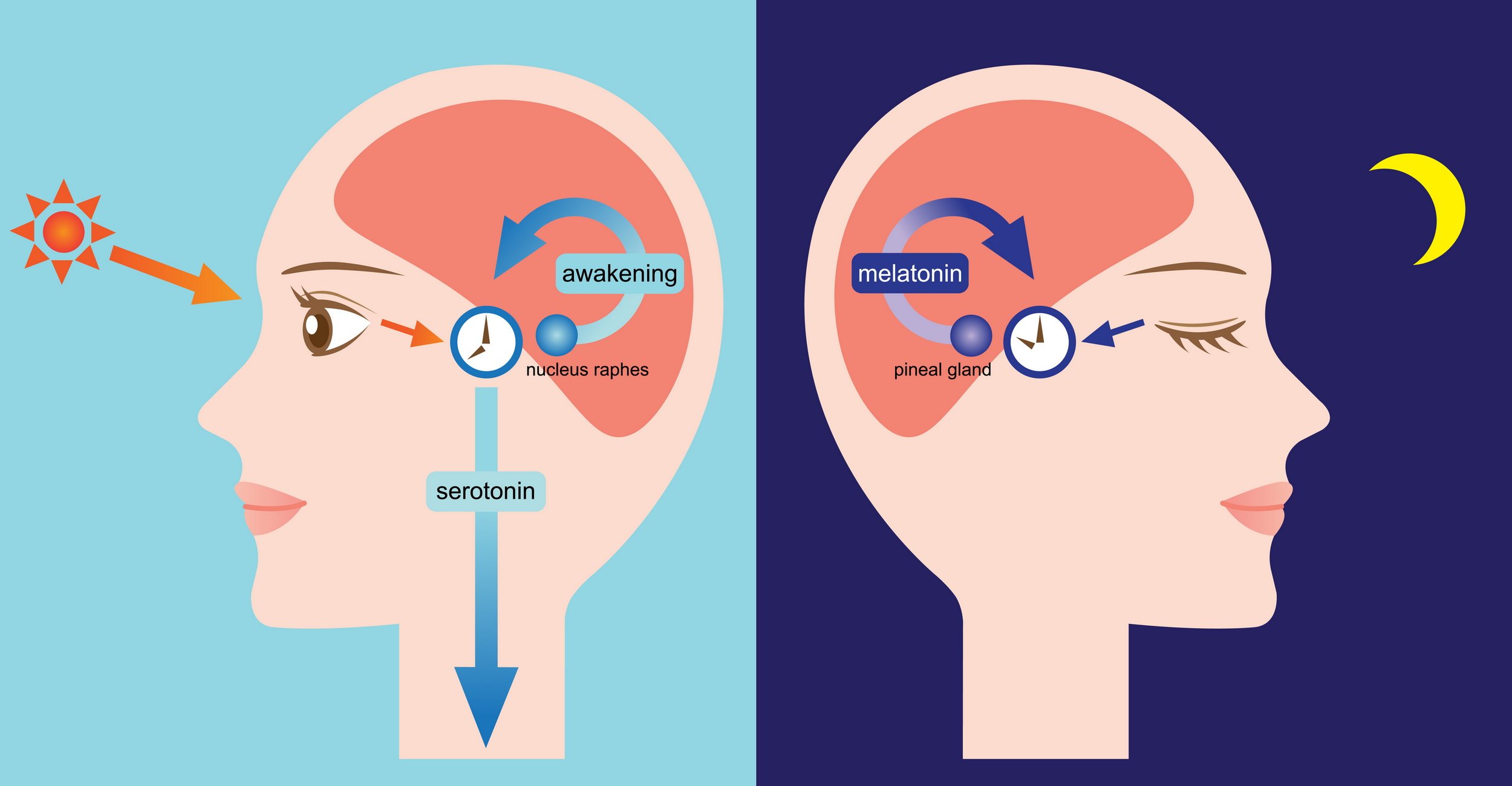
Melatonin and the sleep cycle.
Can melatonin help with insomnia?
Regarding melatonin supplements, there is currently insufficient evidence to recommend them for treating chronic insomnia, both in terms of their effectiveness and safety. [1] As for synthetic melatonin, which is a prescription drug, the NHS drug information in the UK explains that for people with sleep problems, such as insomnia, it helps them fall asleep faster and reduces the chance of waking up in the middle of the night. [2] However, this data is based on prescription medication and therefore cannot be used to confirm that melatonin supplements can help with chronic insomnia.
If insomnia persists for an extended period or begins to affect your daily life, you should consult a doctor to determine the cause, instead of trying self-help products. Read more about...Insomnia
Does melatonin help with jet lag or a shift in the circadian rhythm?
Melatonin supplements may help with jet lag, the symptoms that occur after flying across multiple time zones, such as poor sleep, daytime fatigue, or general malaise, but evidence for this is limited. [1]
Another condition is when the body's biological clock is delayed, meaning the body is ready to sleep and wake up later than normal. People with this condition often have difficulty falling asleep until very late or almost morning, and have difficulty waking up in the morning. [1] Melatonin supplements appear to help this group of people sleep better, but it's unclear whether the benefits outweigh the risks. [1] If you plan to use melatonin for jet lag or a disrupted circadian rhythm, you should consult a doctor first.
Is melatonin safe to use, and who should consult a doctor first?
For melatonin supplements, short-term use appears to be safe for most people, but there is still insufficient data on how safe it is if used for extended periods or in doses exceeding the body's natural production rate. [1] Side effects observed in short-term studies are usually mild, such as headache, dizziness, nausea, and drowsiness. Long-term side effects are unclear. [1]
Before using melatonin supplements, consult your doctor or pharmacist if you belong to any of these groups.
- I am currently taking other medications. [1]
- Those with epilepsy or who are taking anticoagulant medication should use melatonin under the supervision of a doctor. [1]
- Pregnancy or breastfeeding: There is limited research on safety in these groups. [1]
- This is especially true for older adults, as melatonin may have a longer-lasting effect in older adults than in younger people, potentially causing daytime drowsiness. [1]
- Is this for children or teenagers? Because data on this group is limited, especially regarding long-term effects. [1]
The safety information for melatonin supplements cannot replace the information on melatonin medication prescribed by a doctor, as each medication has its own side effects and precautions. [3,4] Whether or not you use melatonin, if your insomnia doesn't improve or persists, you should consult a doctor.
Is it okay to drive while taking melatonin?
If you experience drowsiness, dizziness, blurred vision, or difficulty concentrating after taking melatonin, you should not drive, ride a bicycle, or operate machinery. [4,5] These symptoms may be more likely to occur at the beginning of use, but they can happen at any time, such as when starting to use other medications. [5] This advice is based on UK melatonin guidelines. If you are unsure whether it is safe to drive, you should ask your doctor or pharmacist. [5]
Summary: Melatonin and insomnia.
Regarding melatonin supplements, there is currently insufficient evidence to recommend their use for treating chronic insomnia. [1] Before using melatonin supplements, individuals who are taking other medications, have epilepsy, are taking anticoagulants, are pregnant or breastfeeding, are elderly, or are children or adolescents should consult a doctor or pharmacist. [1] If you experience persistent insomnia, you should consult a doctor to determine the cause.
This article contains general information and is not medical advice for any individual. Decisions regarding the use of any medication or product still require individual evaluation by a doctor or pharmacist.
Read more: Sleep and aging.
References
- National Center for Complementary and Integrative Health (NCCIH). Melatonin: What You Need To Know. https://www.nccih.nih.gov/health/melatonin-what-you-need-to-know
- NHS. About melatonin. https://www.nhs.uk/medicines/melatonin/about-melatonin/
- electronic medicines compendium (EMC). Circadin 2 mg Prolonged-release Tablets – Summary of Product Characteristics (SmPC). Last updated on emc: 11 Feb 2025. https://www.medicines.org.uk/emc/product/2809/smpc
- NHS. Side effects of melatonin. https://www.nhs.uk/medicines/melatonin/side-effects-of-melatonin/
- NHS. Common questions about melatonin. https://www.nhs.uk/medicines/melatonin/common-questions-about-melatonin/