What is Sleep Hygiene? How to maintain good sleep hygiene for adults.
Last updated:
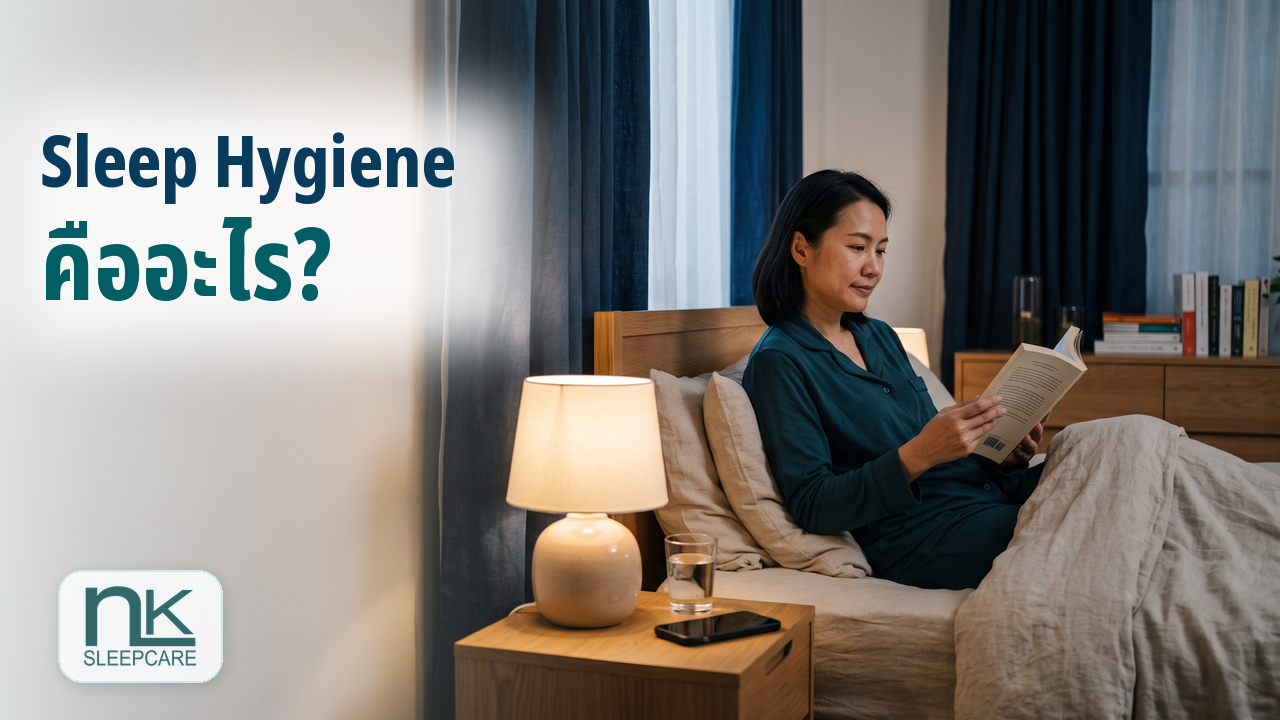
Sleep hygiene refers to adjusting behaviors and the environment to create a sleep-friendly environment, encompassing everything from waking hours, light and screen exposure, food and drink, to the bedroom itself. Taking care of these aspects lays the foundation for a more restful routine and environment, but it doesn't guarantee immediate sleep. This article will guide you through each adjustment and explain when to consult a doctor. [1,2]
Let's start with these three points.
1. Wake up at about the same time every day, and go to bed when you feel sleepy. [2,3,4]
2. Gradually reduce screen brightness and stimulating activities before bedtime. [1,2]
3. Be mindful of caffeine in the afternoon and evening, and avoid using alcohol as a sleep aid. [1,2,4]
How to improve sleep hygiene in your daily life.
Wake up at a set time and go to bed when you feel sleepy.
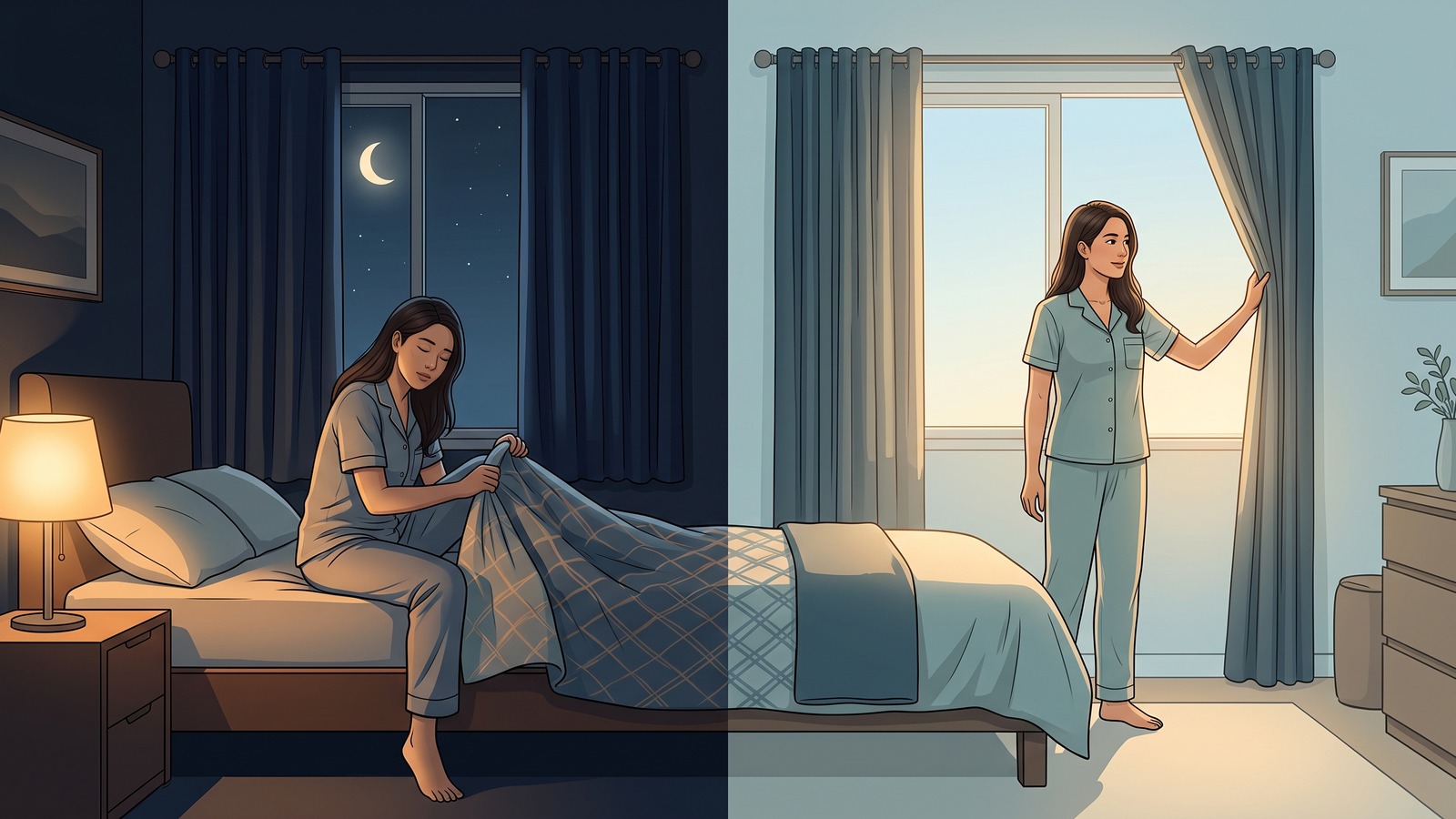
Try to wake up at around the same time every day, including weekends, and allow for enough sleep. If it's bedtime but you're not sleepy, do something relaxing first, then go to bed when you start to feel drowsy. The goal is overall consistency, not necessarily being precise every minute. [2,3,4]
Gradually reduce screen brightness and engaging activities.
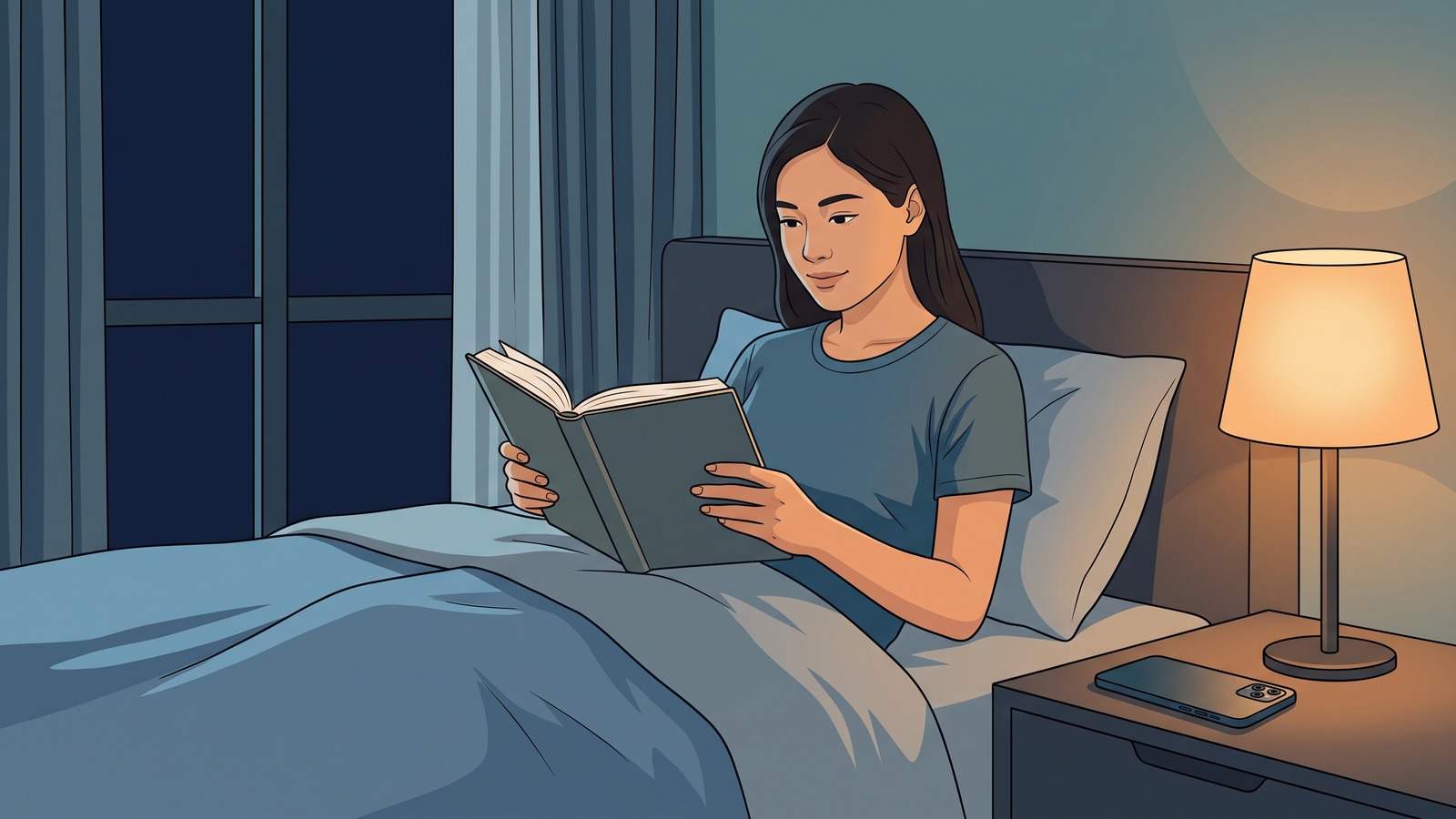
In the last hour or so before bedtime, gradually ease off activities, reduce bright light, and take a break from work or anything that's worrying you. Choose light activities you enjoy, such as reading a non-exciting book, listening to soft music, or taking a warm bath. [2,3,4]
Regarding screen time, the Centers for Disease Control and Prevention (CDC) recommends turning off electronic devices at least 30 minutes before bedtime. [1]
Reduce caffeine, nicotine, alcohol, and heavy meals before bedtime.

Caffeine is a stimulant that can disrupt sleep and can have effects that last for several hours, so it's best to avoid it in the afternoon or evening. Examples of drinks that may contain caffeine include coffee, tea, energy drinks, as well as iced tea, milk tea, or some carbonated drinks. Try to observe when you have difficulty sleeping after consuming these drinks and adjust your schedule accordingly. [1,2,5]
Nicotine is also a stimulant, and while alcohol may initially make you feel drowsy, it can disrupt sleep and cause you to wake up during the night. Therefore, alcohol should not be used as a sleep aid. [2,4]
Avoid large or heavy meals within a few hours before bedtime. If you feel hungry, a small snack might be more suitable. [1,2]
Exercise regularly and adjust your napping schedule based on its effect on nighttime sleep.
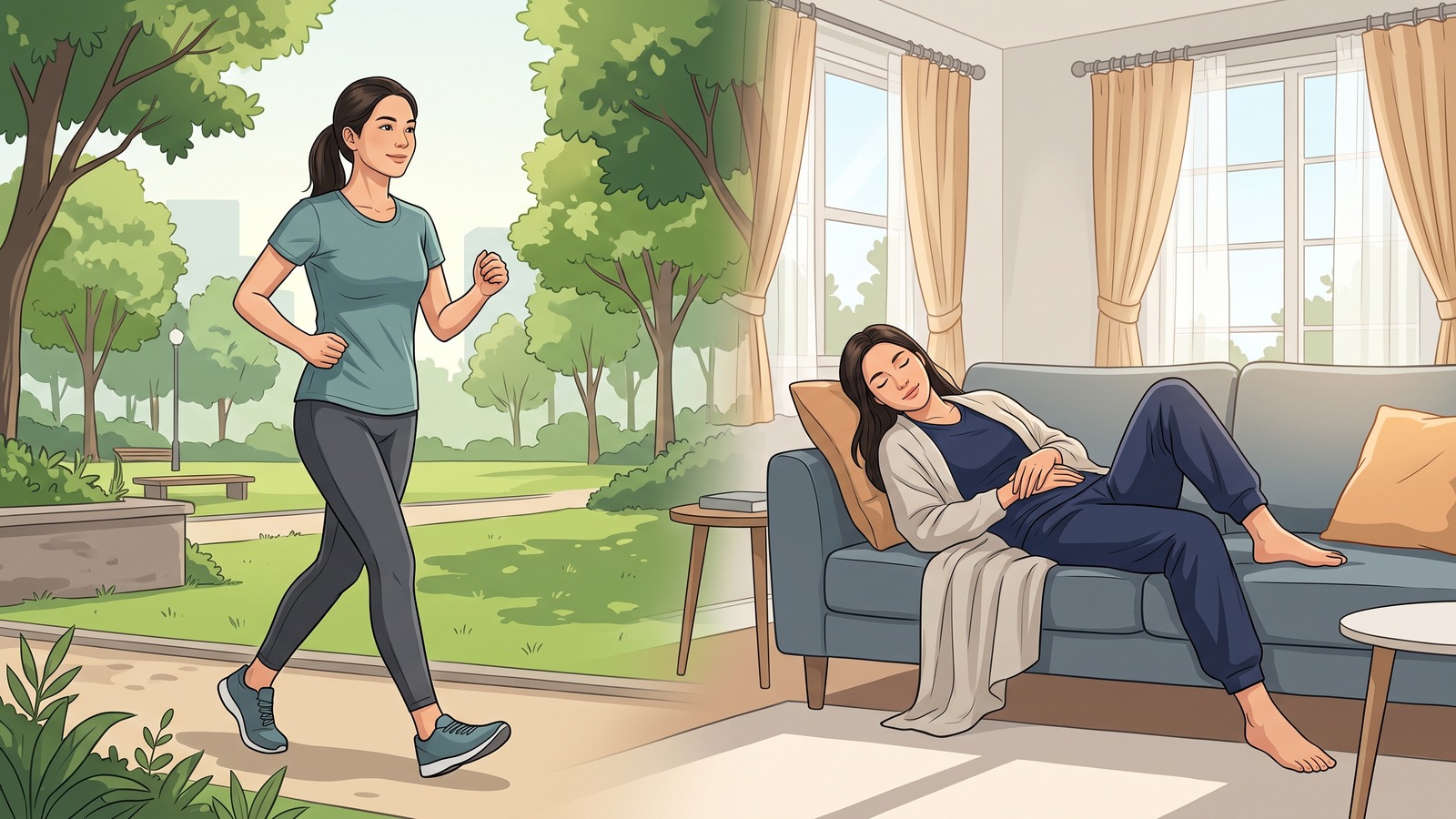
Engaging in regular physical activity or exercise is one of the behaviors that promotes better sleep. If possible, try spending time outdoors during the day as well. [1,2]
Avoid strenuous exercise close to bedtime, and use the last hour or so before sleep for relaxation. [2]
Not all adults need to nap. If you have trouble sleeping at night, try reducing the number of naps. But if you must nap, choose an early afternoon nap and keep it short, no more than about 20 minutes, and observe whether the nap affects your sleep at night. [2]
Create a bedroom conducive to rest.
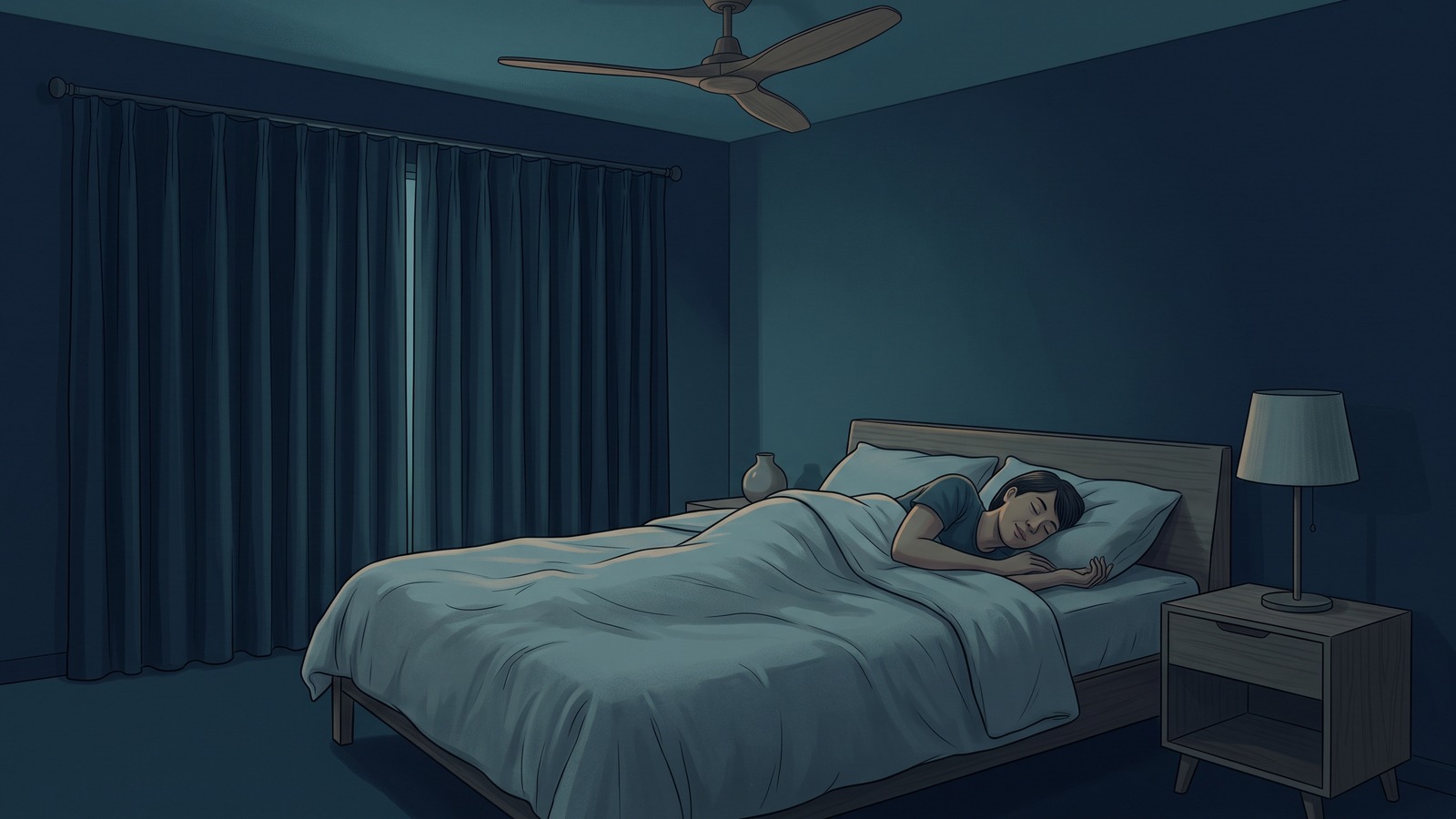
Create a quiet, dark bedroom with a comfortable temperature. If there's external light, use curtains, blinds, or an eye mask to reduce it, and minimize noise as much as possible. If the weather is hot, use a fan or air conditioner to help maintain comfort, without needing to set a fixed temperature for everyone. [1,2,3]
What should you do if you can't fall asleep?
If you can't fall asleep and start feeling irritable or anxious, get out of bed and do something relaxing in dim light, such as reading a book or listening to soft music, avoiding work and screens. Return to bed when you feel sleepy. Try not to stare at the clock or set a precise timer. The important thing is not to force yourself to sleep, which can increase your irritability and anxiety. [2,4,6]
When might sleep hygiene not be enough?
Sleep hygiene can help lay the foundation for better sleep, but it should not be the sole treatment for chronic insomnia. The American Academy of Sleep Medicine (AASM) recommends a multi-component Cognitive Behavioral Therapy for Insomnia (CBT-I) for adults with chronic insomnia as a strong recommendation, while its recommendation against using sleep hygiene as the sole treatment for the same group of adults is a conditional recommendation. [4,7]
CBT-I goes beyond general sleep hygiene advice, helping to manage both thoughts and behaviors related to insomnia. Learn more here. What is insomnia? [4,7]
You should consult a doctor if lifestyle changes don't improve your condition, or if sleep problems affect your work, mood, or daily life, without waiting for symptoms to persist for several months. [3,8]
If you snore loudly regularly, someone notices periods of apnea during sleep, you wake up feeling like you can't breathe, or you feel excessively sleepy during the day, you should consult a doctor for evaluation. These symptoms may be indicative of sleep apnea, but they don't confirm a diagnosis. Your doctor will determine if a sleep study is necessary. [8,9]
Read more at What is sleep apnea? and What is a sleep study?
Keeping a sleep log helps prepare information before seeing a doctor.
If possible, try keeping a sleep journal for about 1–2 weeks before your doctor's appointment to help identify sleep patterns and potentially related behaviors. [1,8]
Data that may be recorded includes:
If you don't have a record yet, you can schedule your doctor's appointment now; you don't need to wait until you've completed all the necessary records. [1,8]
FAQ
Do I need to follow all the instructions for Sleep Hygiene?
It's not necessary to change everything at once. You can start with what's realistic and observe which behaviors are related to your sleep. If adjusting these habits doesn't improve your sleep, see the section "When Sleep Hygiene Might Not Be Enough."“
How does Sleep Hygiene differ from CBT-I?
Sleep hygiene refers to adjusting general habits and environment, while CBT-I is a structured treatment for chronic insomnia and goes beyond sleep hygiene advice. [4,7]
How many hours of sleep should adults get?
The CDC states that adults aged 18–60 should get at least 7 hours of sleep per night, adults aged 61–64 about 7–9 hours, and those aged 65 and older about 7–8 hours. [1]
summarize
Start by establishing a consistent wake-up time, reducing stimulating activities and screen time before bed, and observing the effects of caffeine, alcohol, napping, exercise, and your bedroom environment. If the problem persists, impacts your daily life, or you experience symptoms related to sleep breathing, consult a doctor to assess the cause and choose the appropriate course of action. [1,2,3,9]
This information is intended for general knowledge purposes only and does not replace a medical diagnosis or advice. This article does not provide advice on starting, stopping, or adjusting medication.
References
1. Centers for Disease Control and Prevention (CDC). About Sleep. https://www.cdc.gov/sleep/about/index.html
2. National Heart, Lung, and Blood Institute (NHLBI). Healthy Sleep Habits. https://www.nhlbi.nih.gov/health/sleep-deprivation/healthy-sleep-habits
3. National Health Service (NHS). Insomnia. https://www.nhs.uk/conditions/insomnia/
4. National Heart, Lung, and Blood Institute (NHLBI). Insomnia Treatment. https://www.nhlbi.nih.gov/health/insomnia/treatment
5. US Food and Drug Administration (FDA). Spilling the Beans: How Much Caffeine is Too Much? https://www.fda.gov/consumers/consumer-updates/spilling-beans-how-much-caffeine-too-much
6. American Academy of Sleep Medicine (AASM), Sleep Education. Improve your sleep in five simple steps. https://sleepeducation.org/improve-your-sleep-in-five-simple-steps/
7. Edinger JD, Arnedt JT, Bertisch SM, et al. Behavioral and psychological treatments for chronic insomnia disorder in adults: an American Academy of Sleep Medicine clinical practice guideline. Journal of Clinical Sleep Medicine. 2021;17(2):255–262. https://link.springer.com/article/10.5664/jcsm.8986
8. National Heart, Lung, and Blood Institute (NHLBI). Insomnia Diagnosis. https://www.nhlbi.nih.gov/health/insomnia/diagnosis
9. National Heart, Lung, and Blood Institute (NHLBI). Sleep Apnea Symptoms. https://www.nhlbi.nih.gov/health/sleep-apnea/symptoms/
References
- Centers for Disease Control and Prevention (CDC). About Sleep. https://www.cdc.gov/sleep/about/index.html
- National Heart, Lung, and Blood Institute (NHLBI). Healthy Sleep Habits. https://www.nhlbi.nih.gov/health/sleep-deprivation/healthy-sleep-habits
- National Health Service (NHS). Insomnia. https://www.nhs.uk/conditions/insomnia/
- National Heart, Lung, and Blood Institute (NHLBI). Insomnia Treatment. https://www.nhlbi.nih.gov/health/insomnia/treatment
- US Food and Drug Administration (FDA). Spilling the Beans: How Much Caffeine is Too Much? https://www.fda.gov/consumers/consumer-updates/spilling-beans-how-much-caffeine-too-much
- American Academy of Sleep Medicine (AASM), Sleep Education. Improve your sleep in five simple steps. https://sleepeducation.org/improve-your-sleep-in-five-simple-steps/
- Edinger JD, Arnedt JT, Bertisch SM, et al. Behavioral and psychological treatments for chronic insomnia disorder in adults: an American Academy of Sleep Medicine clinical practice guideline. Journal of Clinical Sleep Medicine. 2021;17(2):255–262. https://link.springer.com/article/10.5664/jcsm.8986
- National Heart, Lung, and Blood Institute (NHLBI). Insomnia Diagnosis. https://www.nhlbi.nih.gov/health/insomnia/diagnosis
- National Heart, Lung, and Blood Institute (NHLBI). Sleep Apnea Symptoms. https://www.nhlbi.nih.gov/health/sleep-apnea/symptoms/